

Susan Kasson Sloan
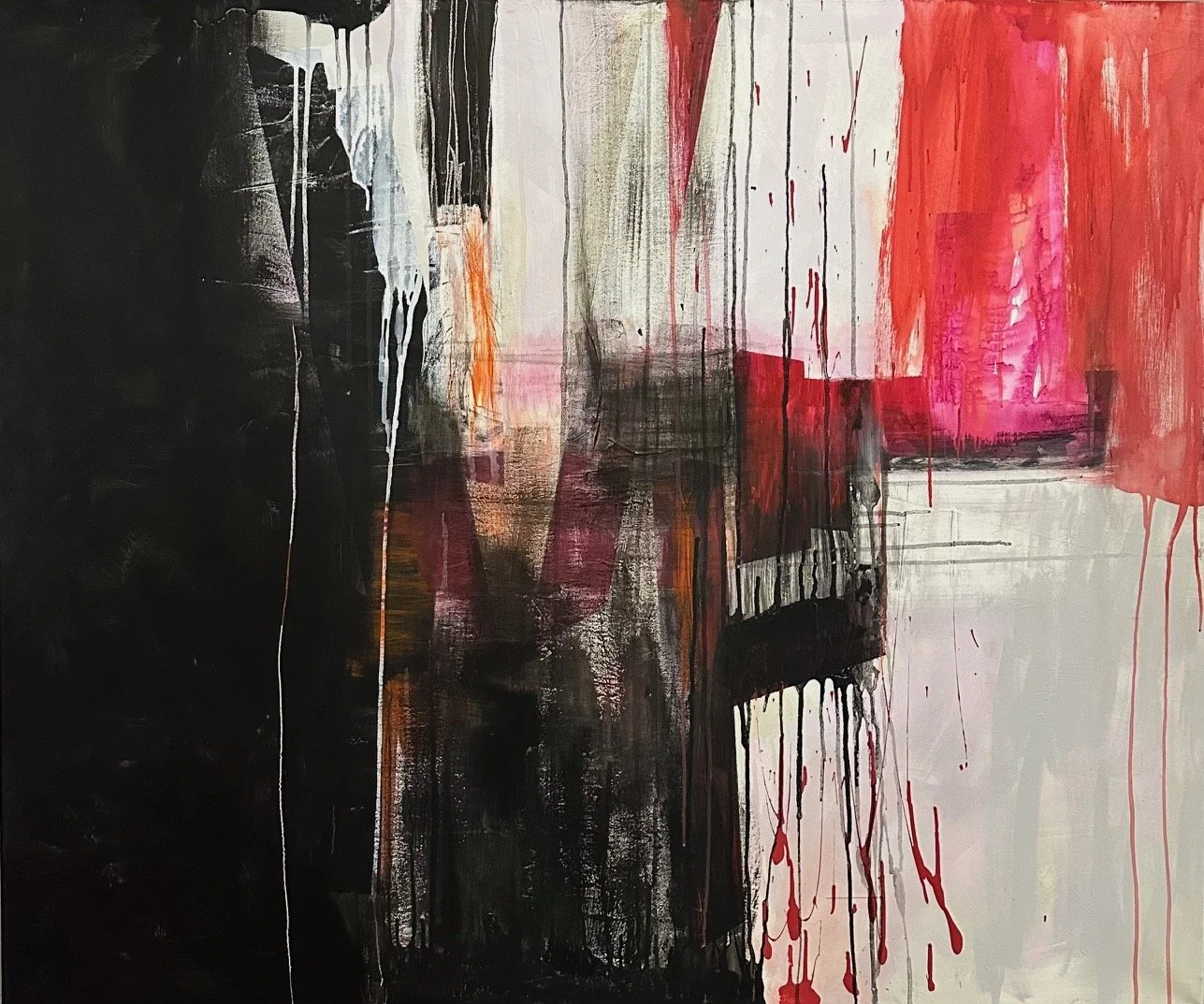
Red - 101.6 x 121.92 cm (40 × 48 in) acrylic on canvas
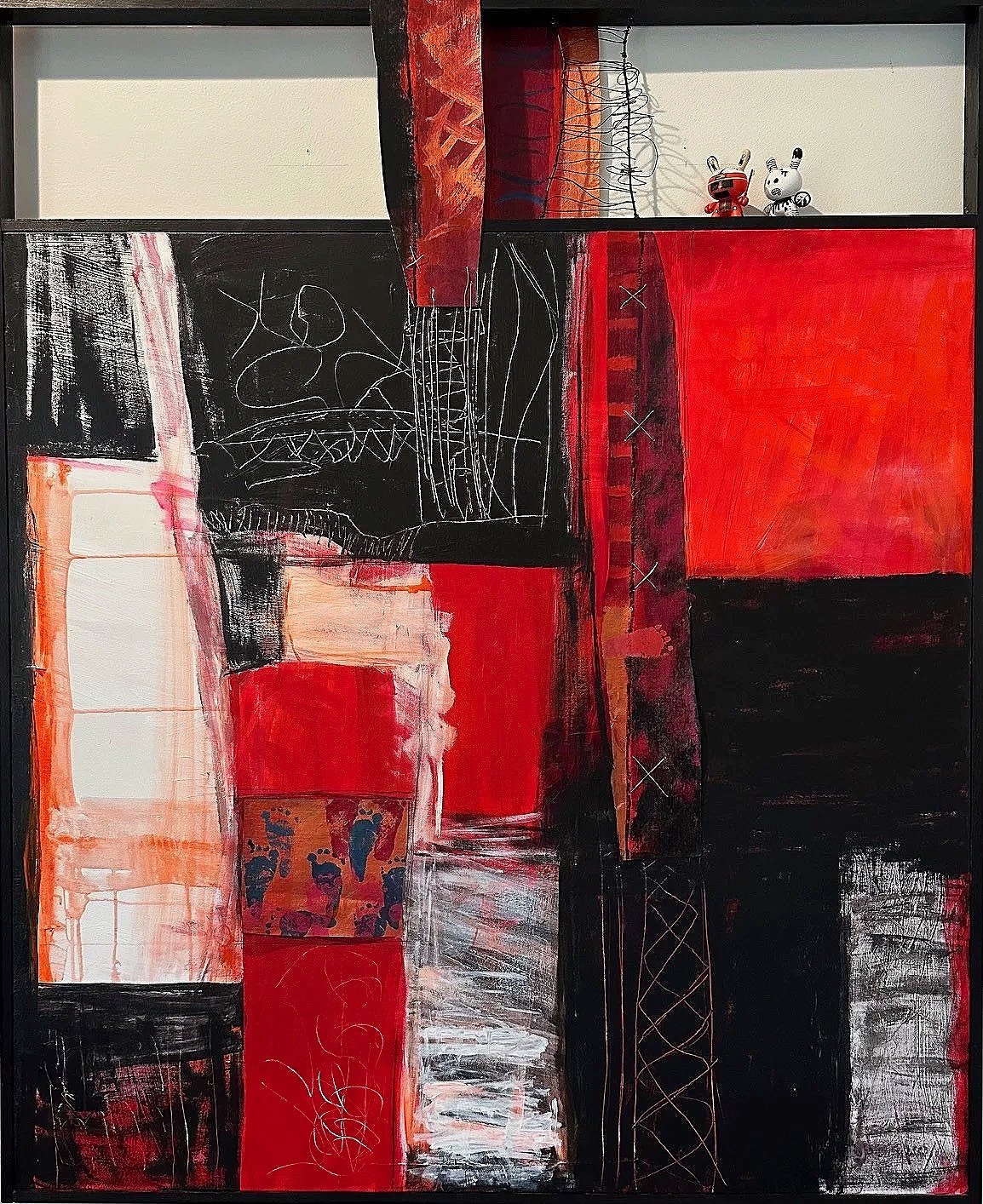
Babes - 127 x 104.14 cm (50 × 41 in) acrylic on canvas, copper, toys
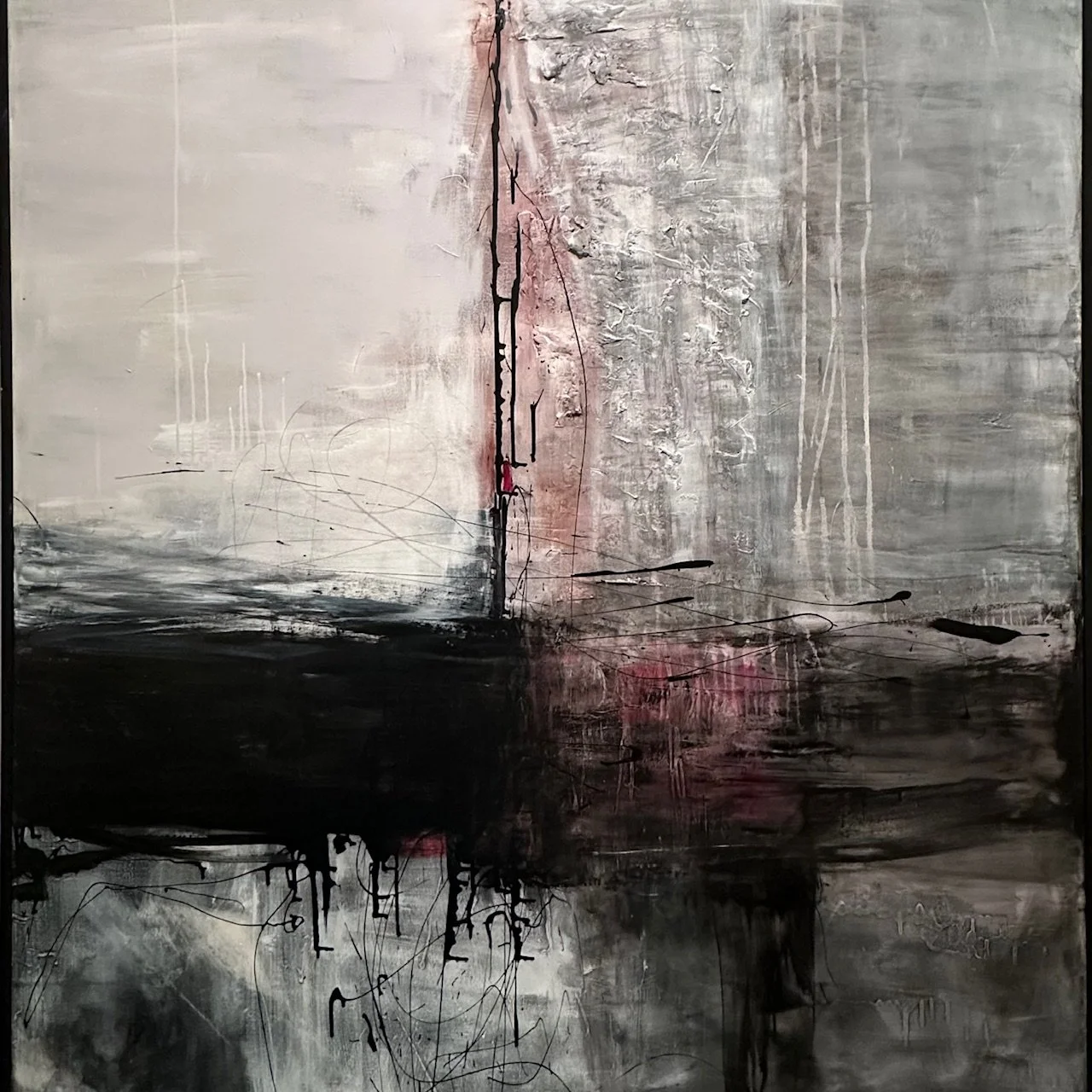
Stormy Weather - 147.32 x 137.16 cm (58 × 54 in) acrylic on canvas
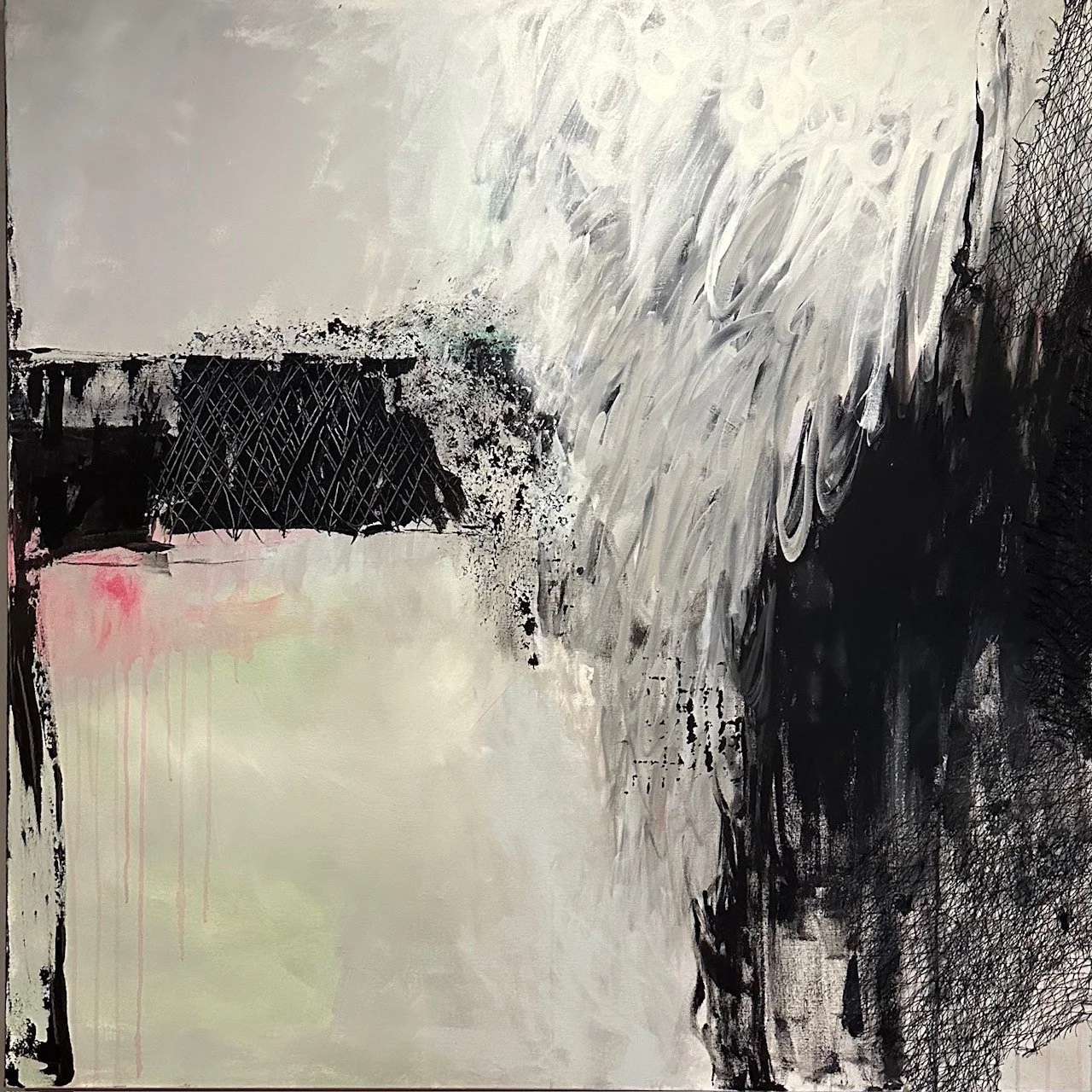
Flow - 142.24 x 142.24 cm (56 x 56 in) collage, acrylic on canvas
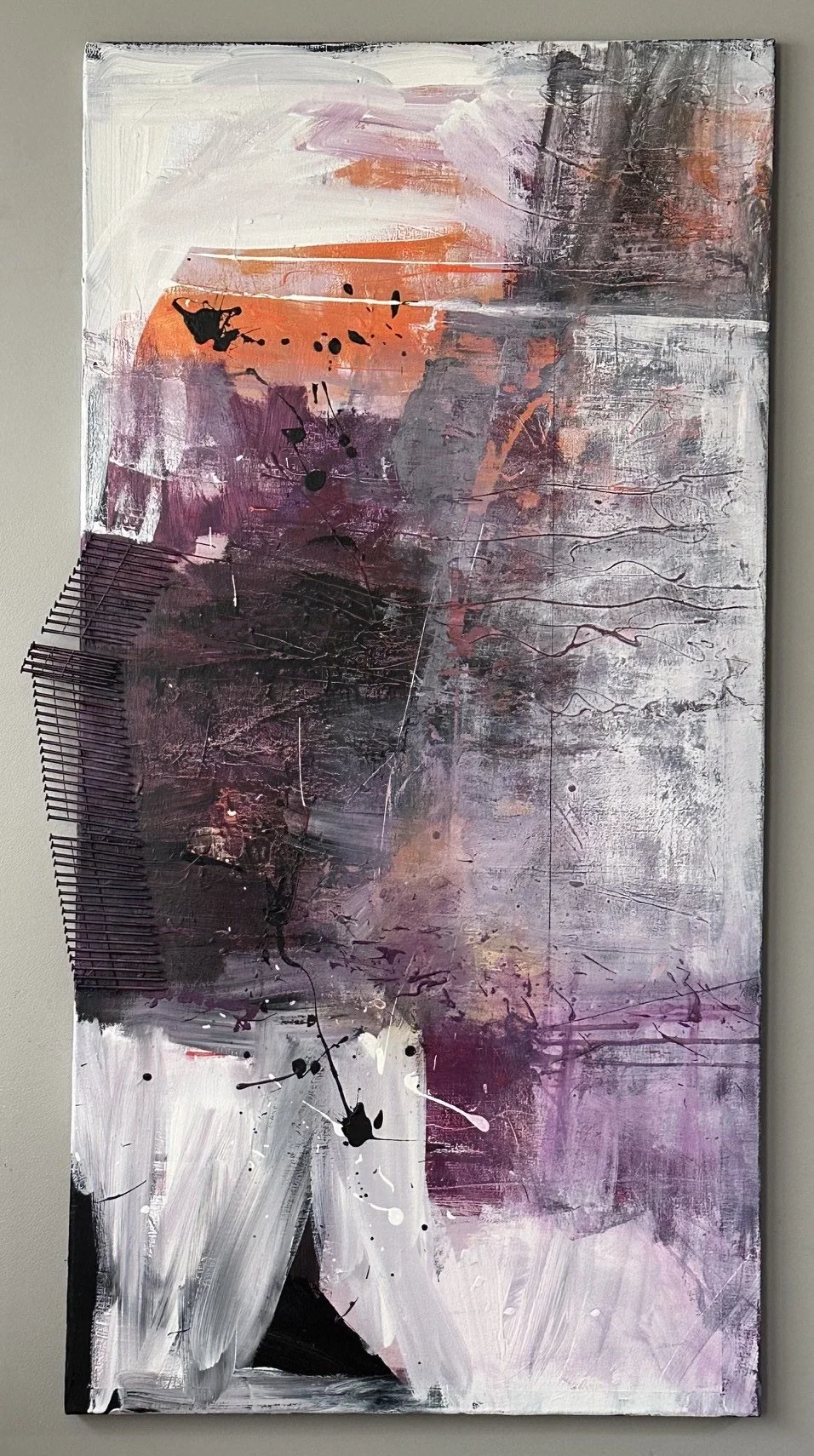
Extension - 121.92 x 66.68 cm (48 x 26.25 in) acrylic on canvas, nails (hung on grey wall)
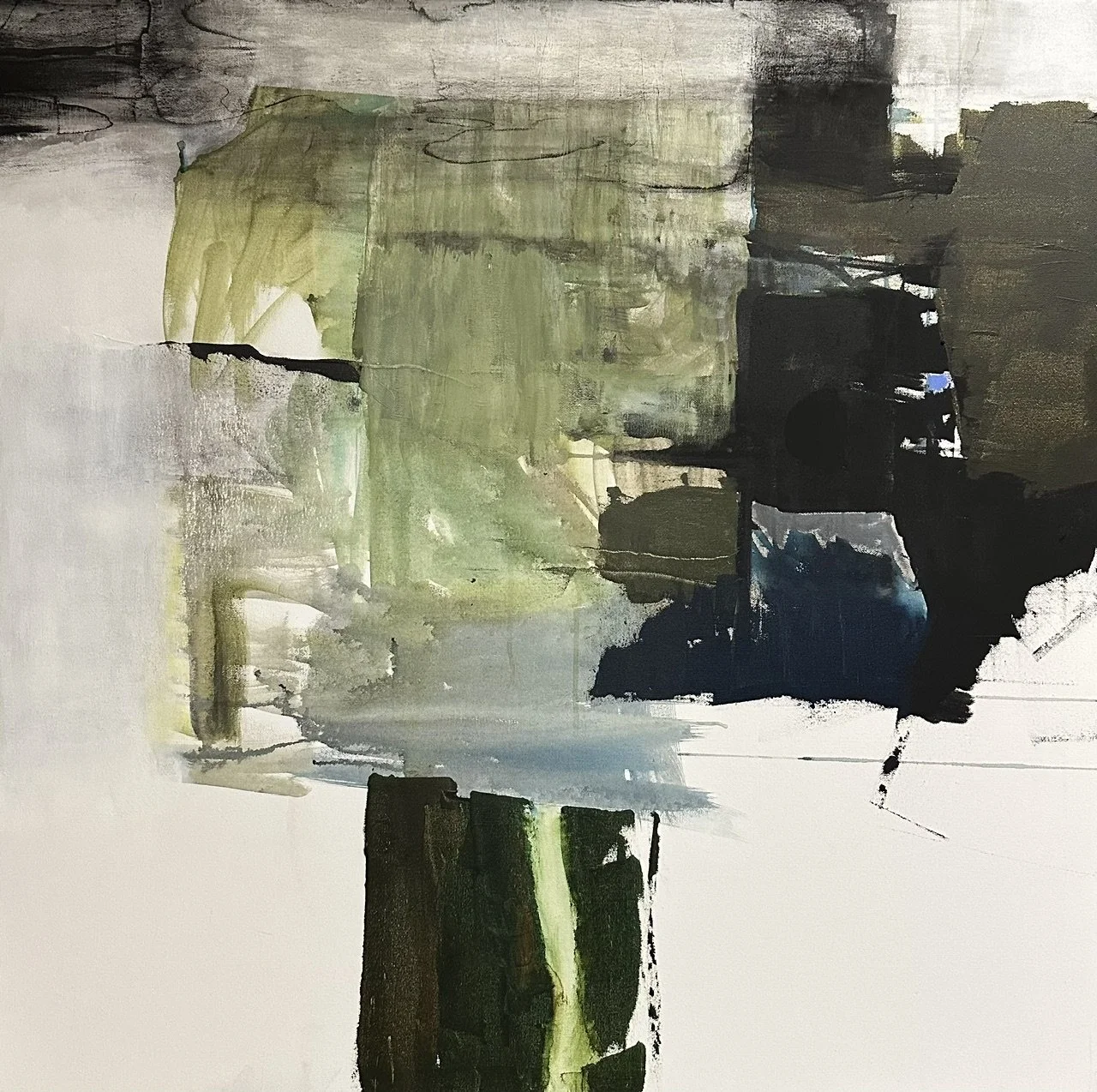
STEM - 91.44 × 91.44 cm (36 × 36 in) acrylic on canvas
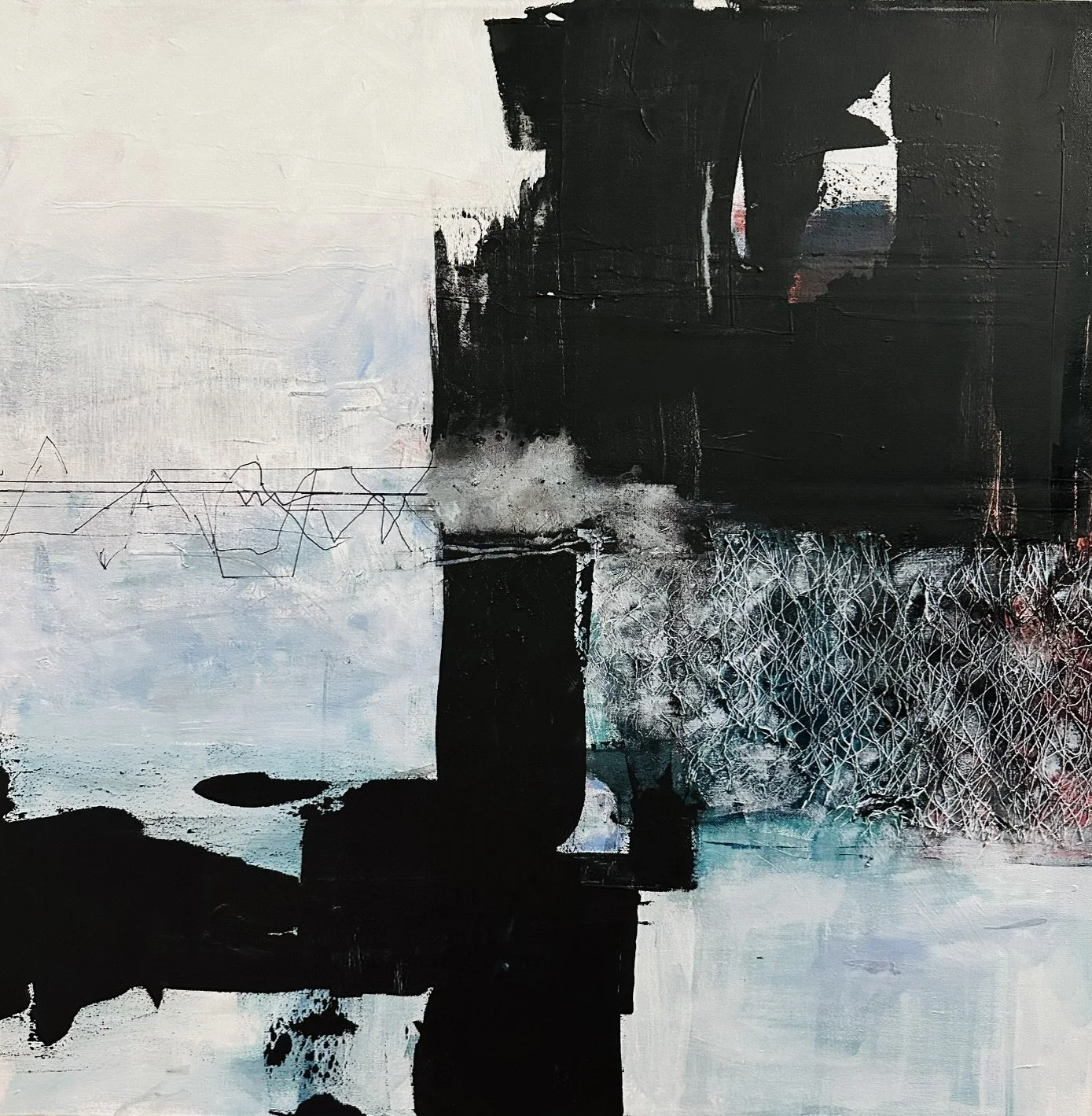
Trestle - 66.04 x 66.04 cm (26 x 26 in) acrylic and mesh textile on canvas
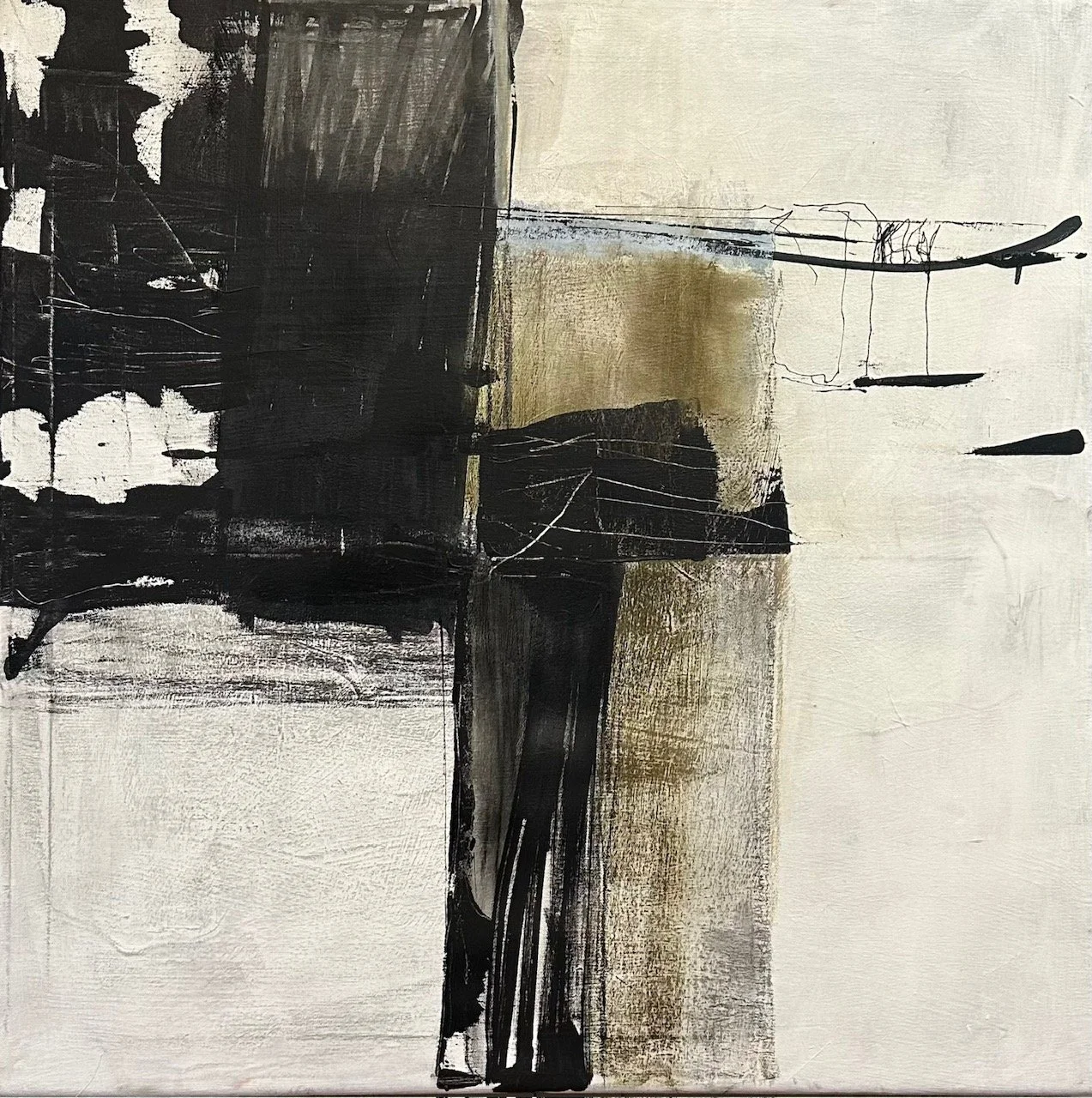
A Tinge of Blue - 68.58 × 68.58 cm (27 × 27 in) acrylic and pastel on canvas
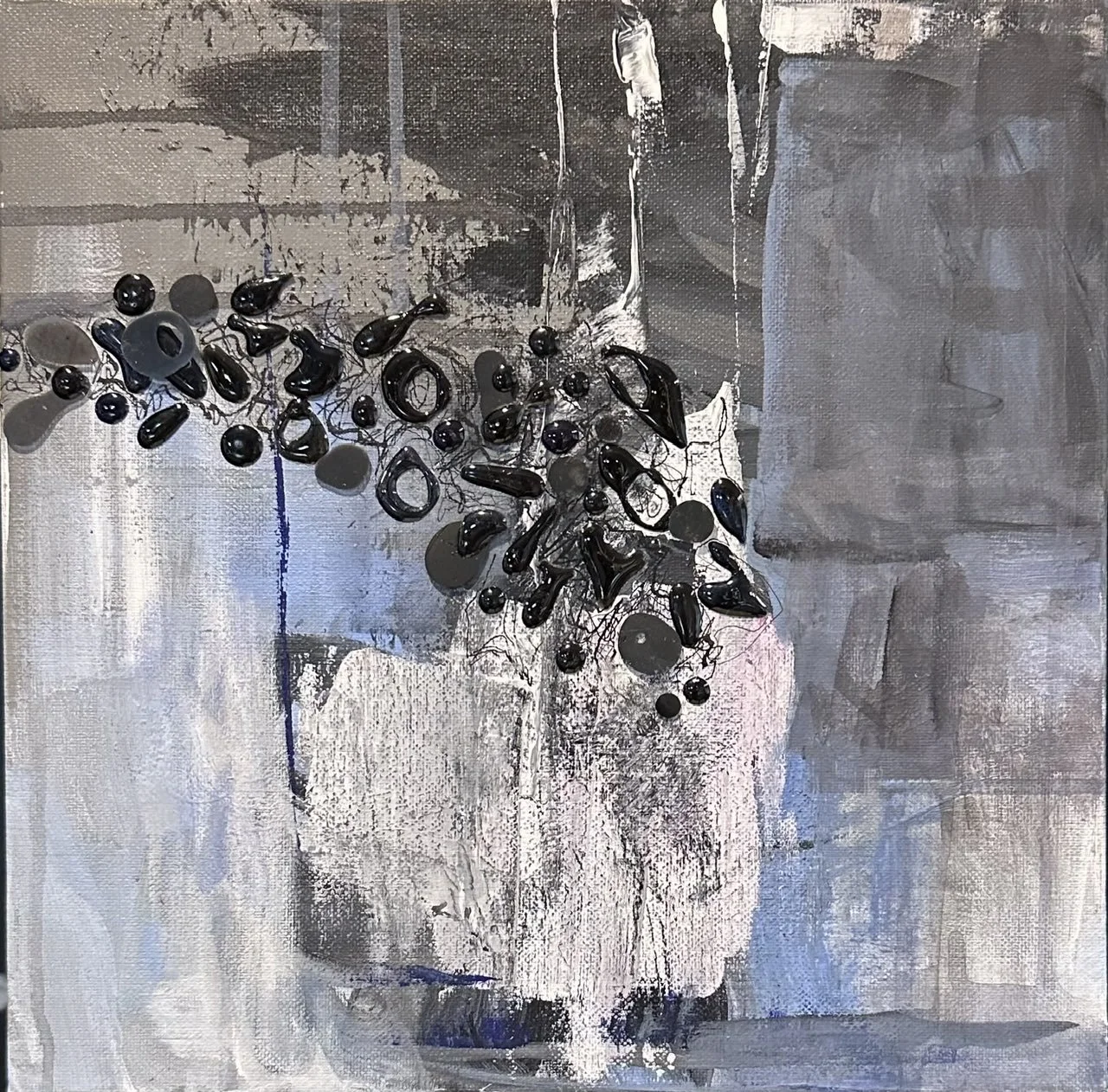
Interference - 30.48 × 30.48 cm (12 × 12 in) - acrylic, epoxy resin with pigment on canvas
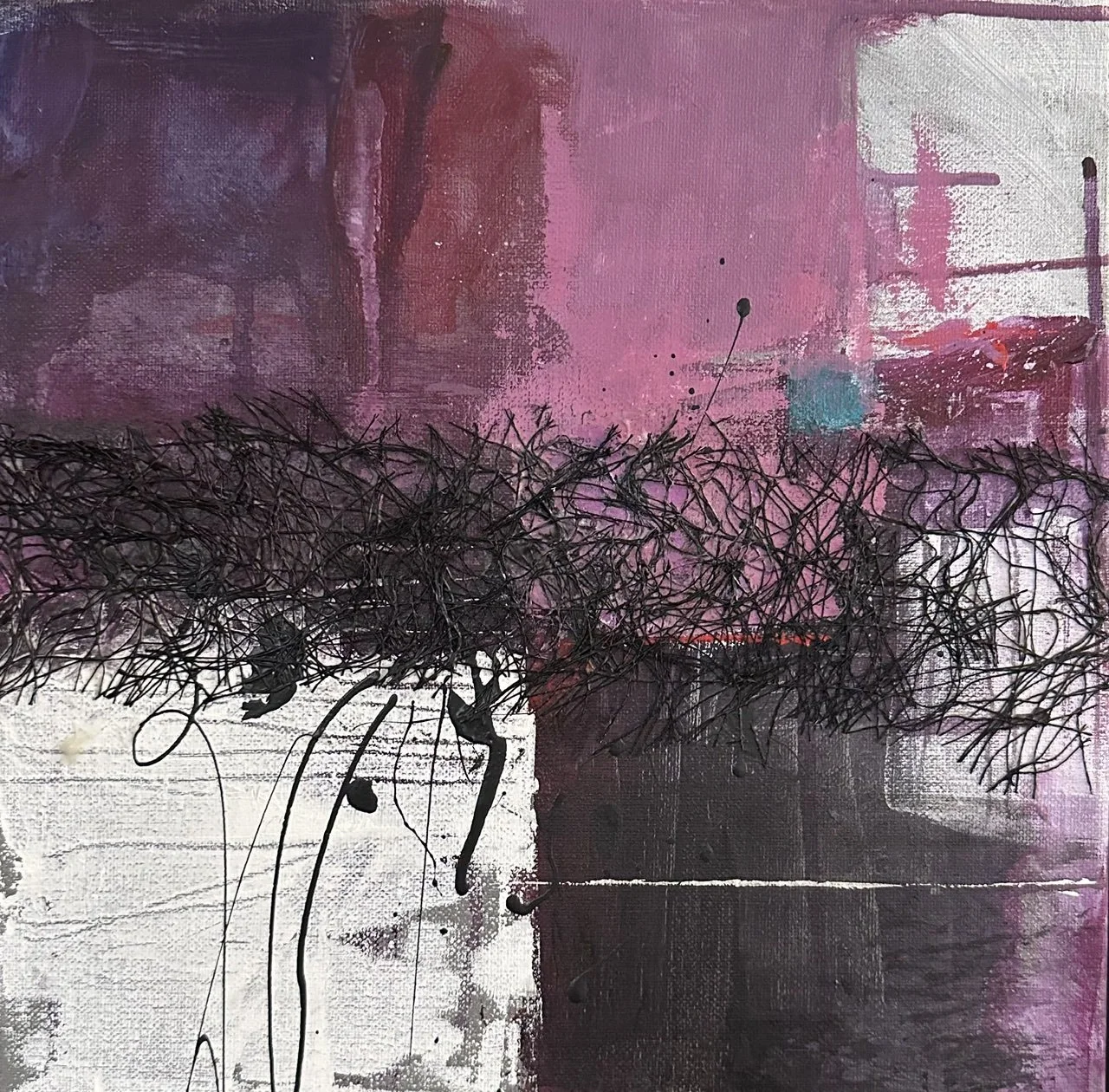
Music To My Eyes 30.48 × 30.48 cm (12 × 12 in) acrylic and collage on canvas
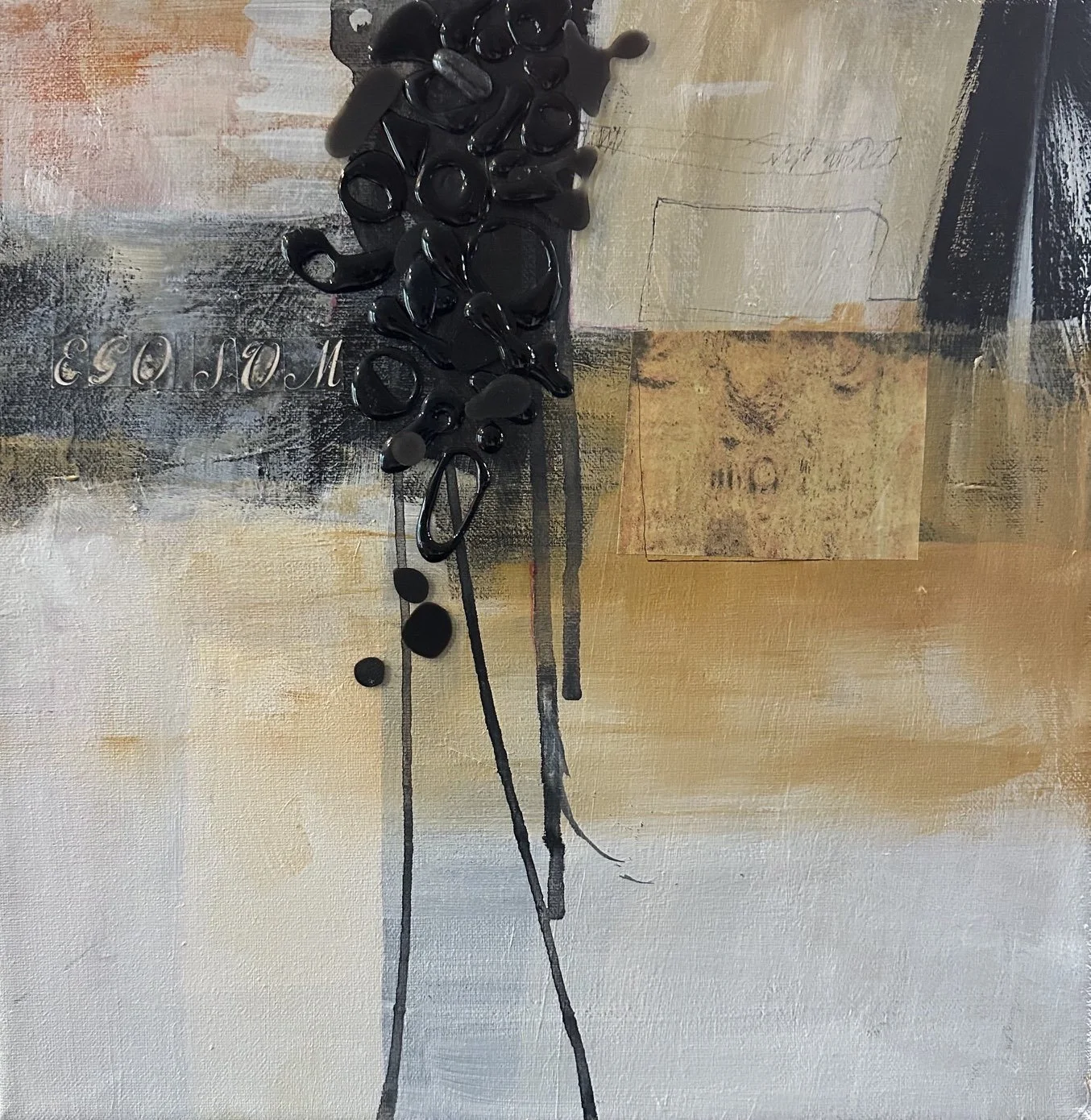
Ego Sum - 30.48 × 30.48 cm (12 × 12 in) acrylic, collage, epoxy resin with pigment on canvas
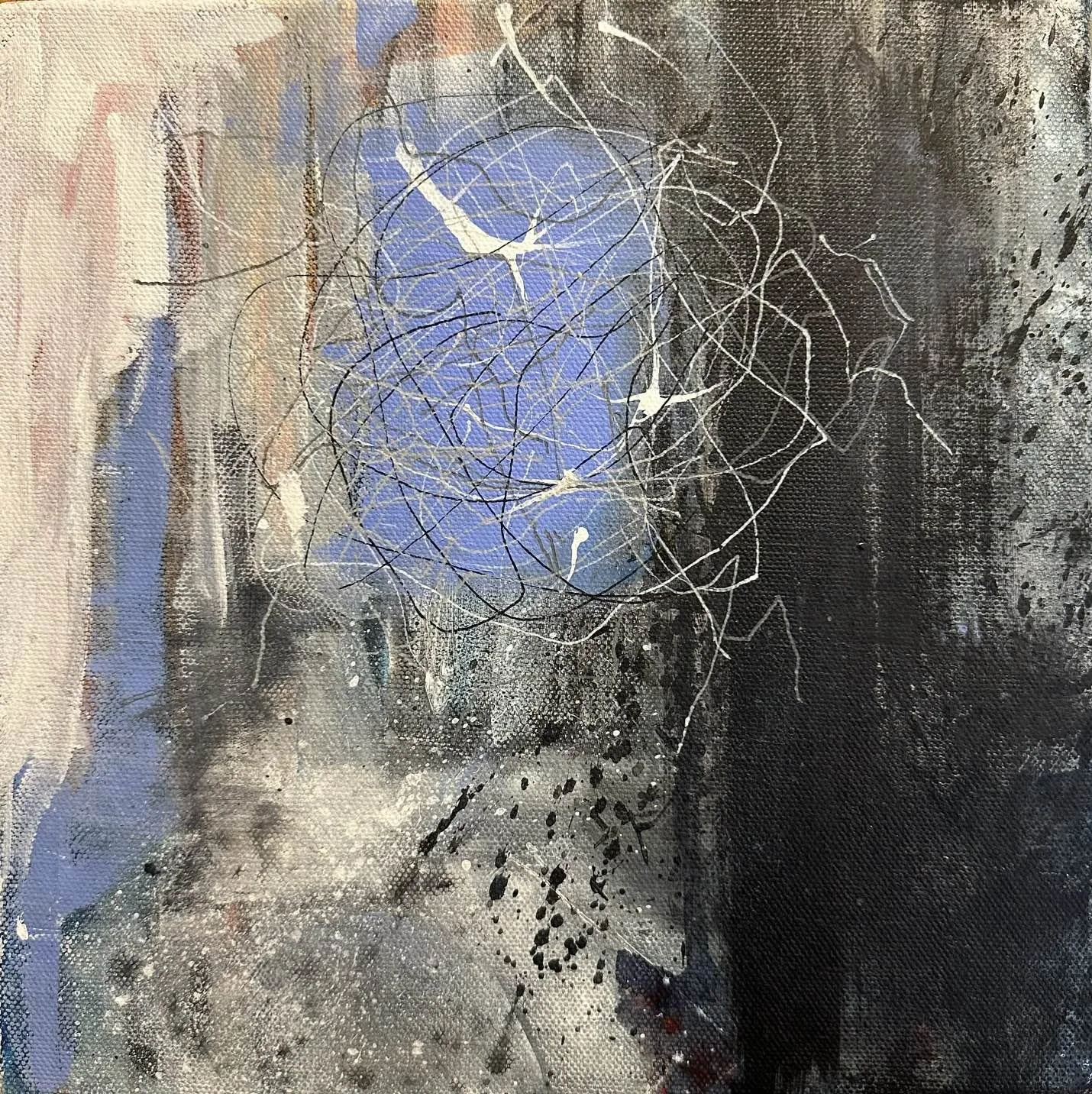
Mystery 25.4 × 25.4 cm (10 × 10 in) acrylic on canvas
Susan Kasson Sloan is a jewelry designer/fabricator—known for her mastery of epoxy resin and work with metal, painter—abstract and portraiture, and art instructor active in the NYC area.
Born in New York City, she attended NYC’s High School of Music & Art, and went on to study at Queens College, NYC, Parsons School of Art, NYC, the Art Students League of NY and the 92nd St. Y, NYC.
Heretofore Sloan has been primarily known for her design of jewelry with her jewelry work represented in prestigious private and public collections including the Cooper-Hewitt National Design Museum - Smithsonian Institution, NY; Renwick Gallery of the Smithsonian American Art Museum, Wash. DC.; Victoria & Albert Museum, London; and RAM’s Charles A. Wustum Museum of Fine Arts, Racine, Wisconsin—to name a few.
Sloan has stated that “the use of collage and the incorporation of alternative material in many of my paintings are an adaptation of techniques that I apply in my jewelry.”
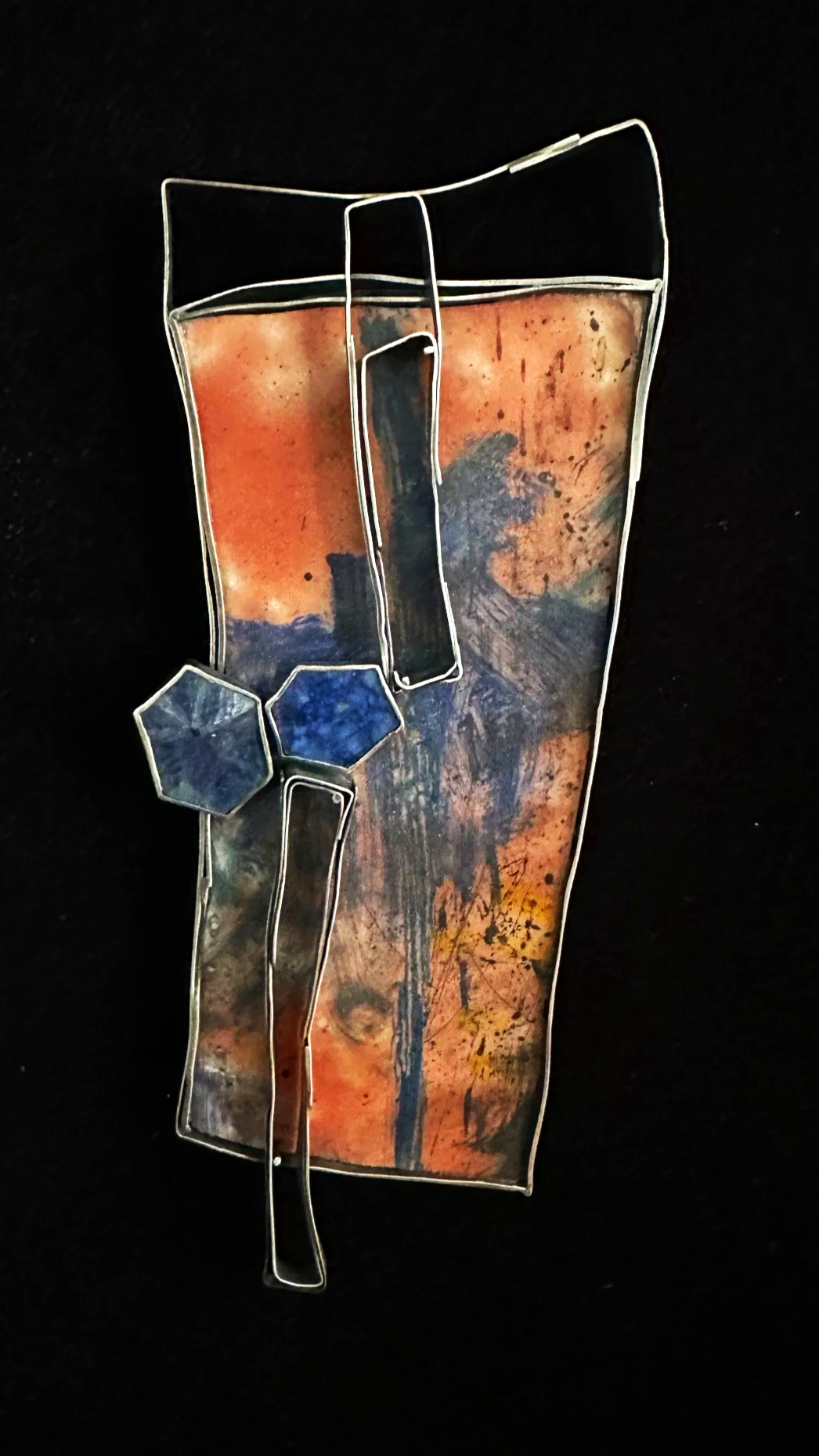
Brooch - 5.75 x 2.25 in sterling silver, epoxy resin, pigments, Mississippi river sapphires
Her paintings are materially abstract, prioritizing process, surface history and structural balance. The work emphasizes layering, abrasion, and selective revelation paralleling metalsmithing processes: lamination, patination, filing back, and controlled exposure of underlying strata. Sloan’s restrained palette—blacks, greys, oxidized orange/red recalls oxidized metals, heat effects, and chemical finishes rather than painterly color relationships.
Every mark feels structural, and her paintings demonstrate the discipline of someone accustomed to working at a precise scale, where decisions are irreversible and surfaces must earn their complexity—meaning they are not gestures of mood but are records of decisions, resistance, revision and the consequence of process. Splatters are not exuberant; they are measured risks. Compositions are held together by proportion and counterweight.
Her work is not that of a jewelry designer turning to painting. It is mature cross-disciplinary work in which the intelligence of object making—construction, restraint, finish—has been carried into a larger pictorial field. Her painting Babes, for example, exhibits an architectural logic: the composition is modular and sectional, built from stacked and abutted rectangular fields. Red dominates, but not arbitrarily; it is weight-bearing, functioning as mass against which black, white, and scraped metallic tones assert resistance. Scored lines, etched marks, and stitched-like linear motifs recall the acts of scribing metal, piercing sheet, or testing stress lines—procedures familiar to a metalsmith rather than a painter. Areas of abrasion expose underlayers, like patina breaking through a finished surface.
Sloan’s work is abstraction as assembly: coherence constructed from parts, the process of fabrication, and the incremental development of surface finishes together impart a unified logic.
Sloan is not a jewelry designer who also paints, but a maker whose core inclinations, material discipline, structural clarity, and tactile intelligence translate across scale and medium.