

Michael Glogowski
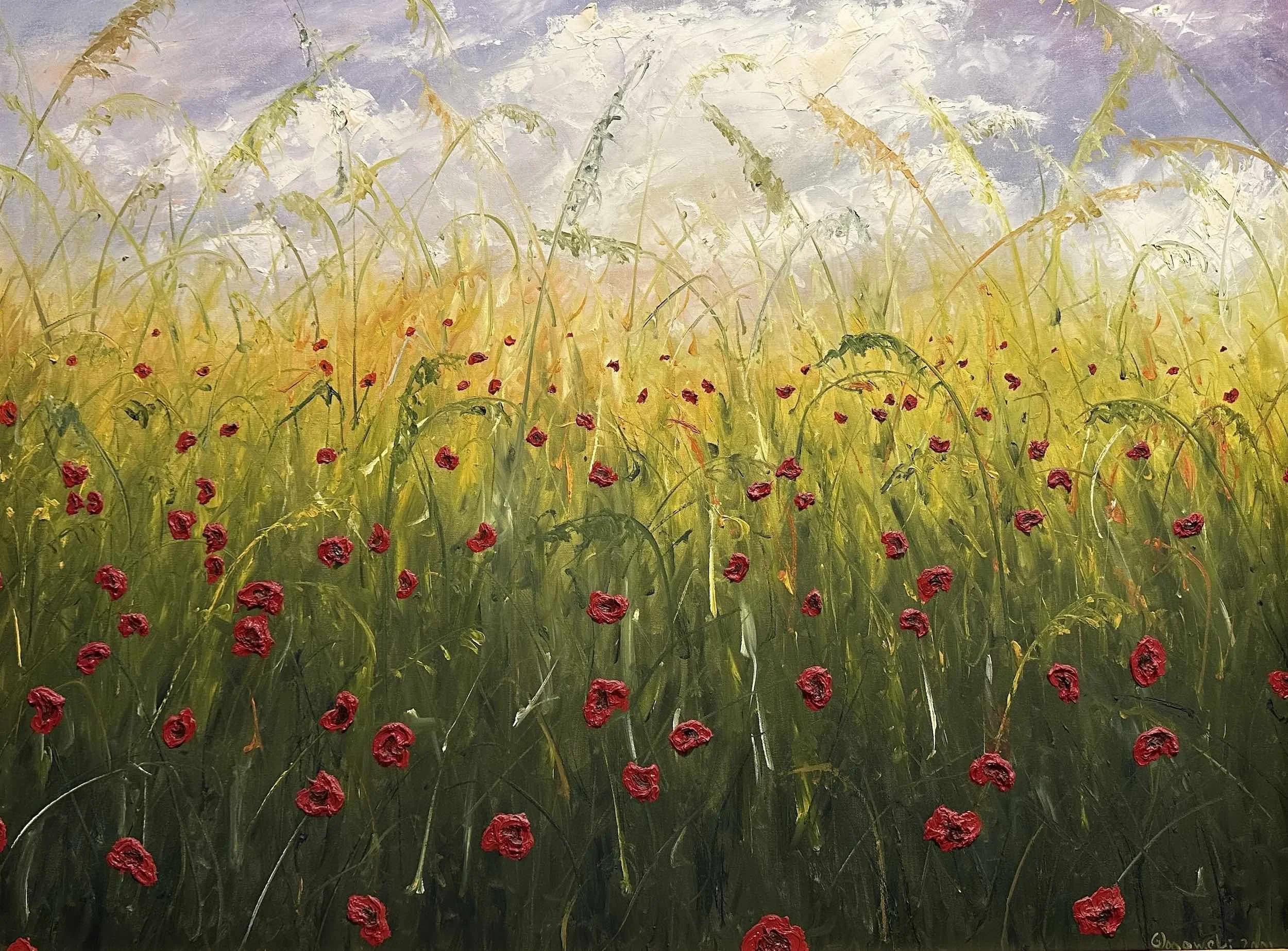
Poppy Field - 76.2 x 101.6 cm (30 × 40 in) oil on canvas
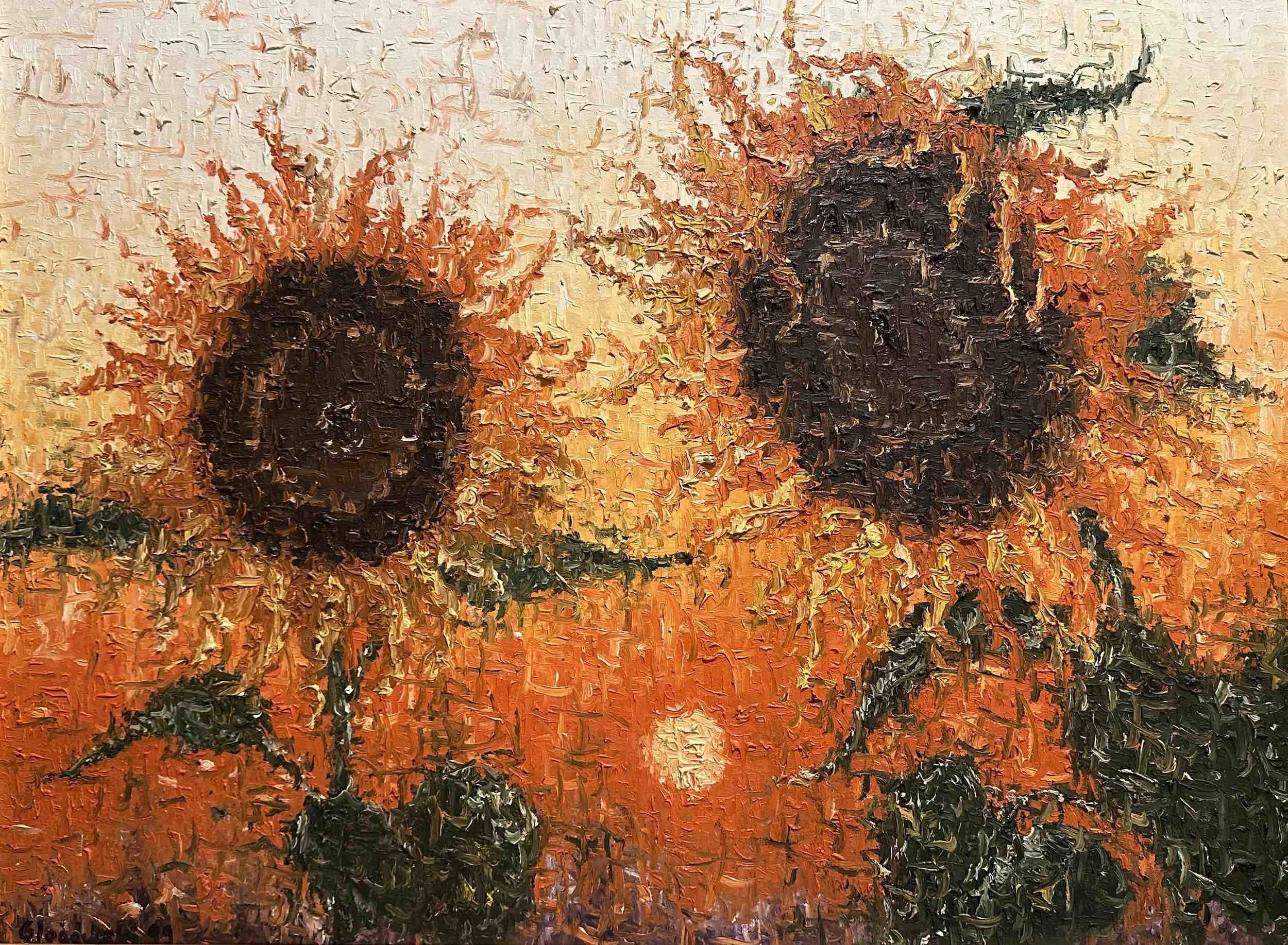
Pair (Sunflowers 1) 76.2 x 101.6 cm (30 × 40 in) oil on canvas
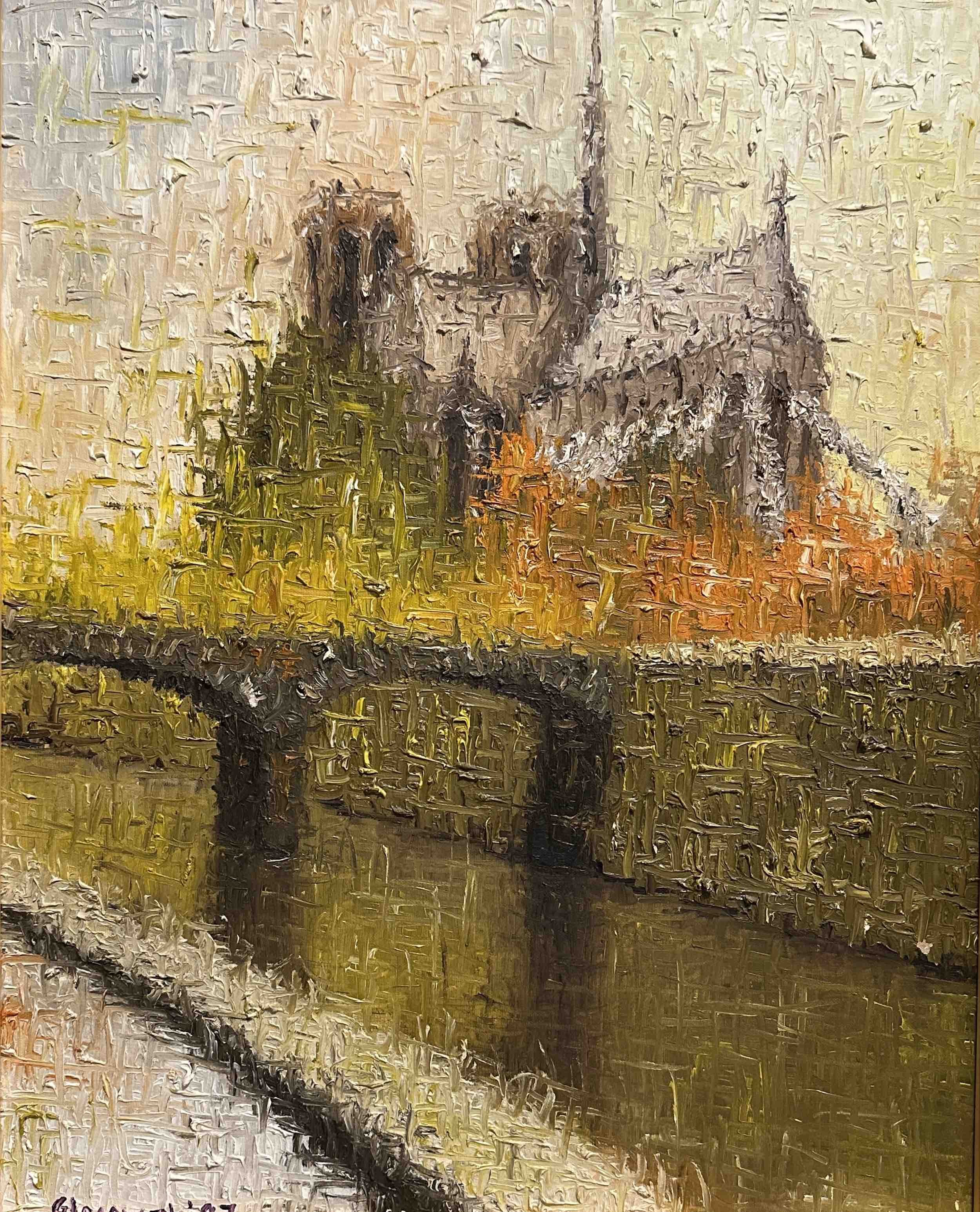
Notre Dame - 76.2 x 60.96 cm (30 × 24 in) oil on canvas
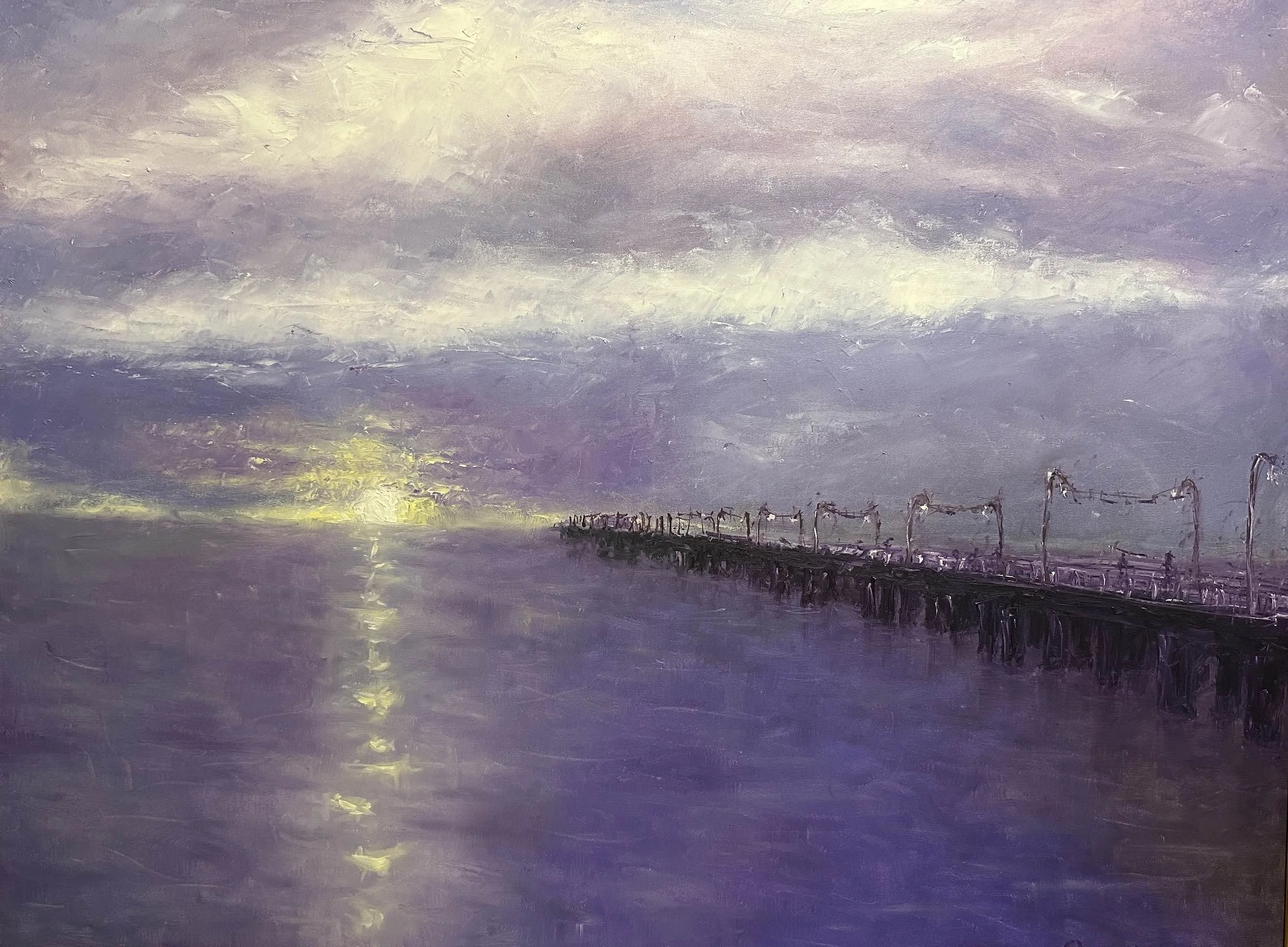
Sopot Pier - 76.2 x 101.6 cm (30 × 40 in) oil on canvas
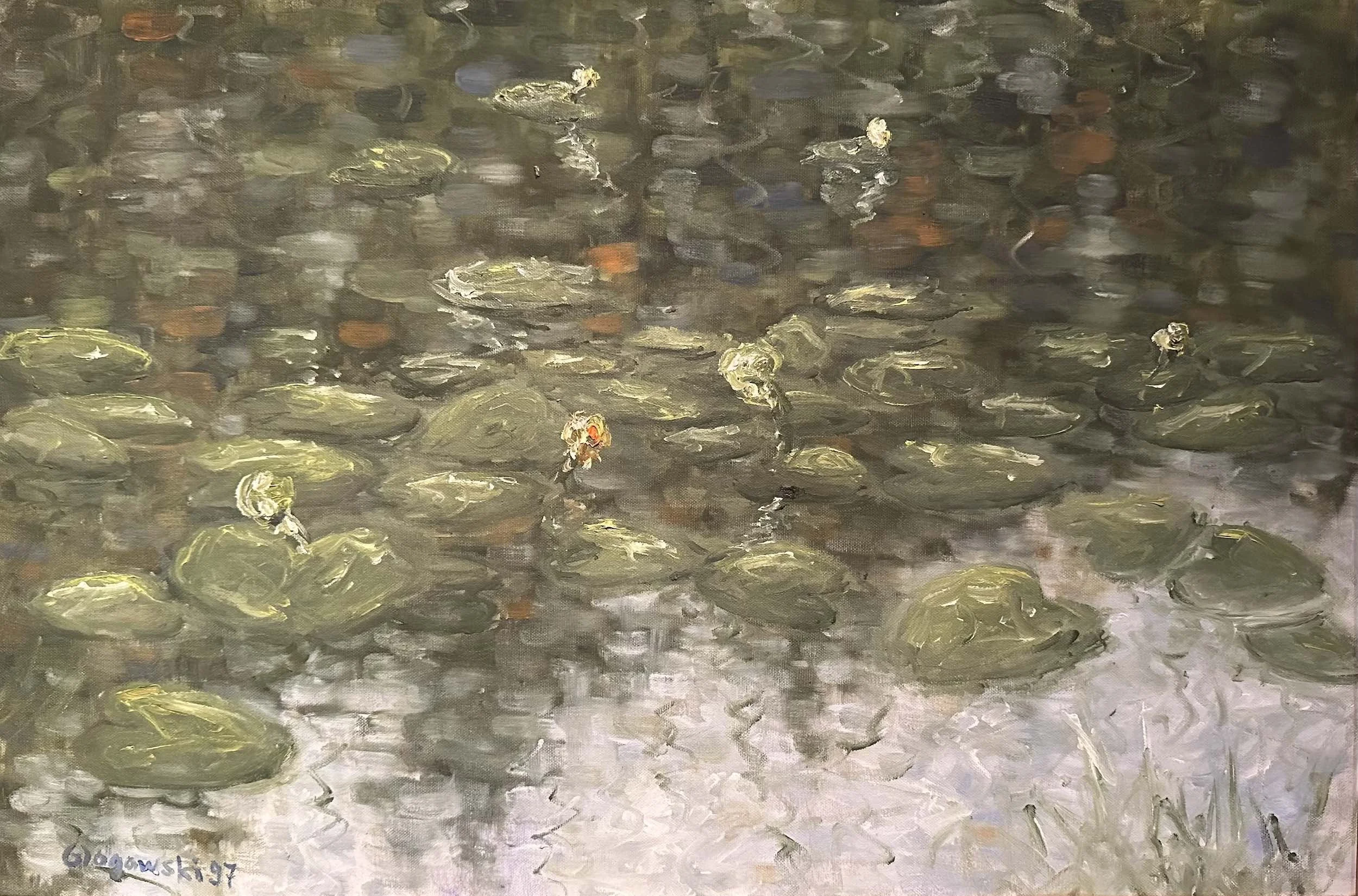
Water Lilies - 50.8 x 76.2 cm (20 x 30 in) oil on canvas
Michael Glogowski is a Polish-born painter trained as an architect, earning a Bachelor of Architecture from Pratt Institute in Brooklyn in 2002. He is currently an Associate Vice President at an internationally acclaimed Architecture, Engineering, and Consulting firm. He immigrated to the United States with his family in 1989 and grew up in New York, where he began painting soon after his arrival. His work distinguished itself early for its maturity, discipline, and technical command.
At age thirteen, Glogowski held his first solo exhibition in New York, organized by the Consulate General of the Republic of Poland. That same year, he presented a solo exhibition at the Municipal Gallery Caspar Badrutt in St. Moritz, Switzerland—an early international showing that underscored the seriousness of his artistic direction.
Throughout the 1990s, his work was exhibited in museums, galleries, and cultural institutions in the United States and Europe. He showed at the Brooklyn Museum of Art and in multiple venues in Poland, and his work became part of a permanent exhibition at the Holocaust Museum on Long Island. In 1995, he was commissioned by St. Patrick’s Church in Bay Ridge, New York, to create a large-scale triptych measuring 13 by 6 feet.
During this period, Glogowski received a scholarship from the Helena Rubinstein Foundation and gained national media attention. His work was featured on FOX-5 New York, where anchor Cora-Ann Mihalik described him as “a treasure” and referred to his work as “a gift from God, meant to be shared with others.”
Glogowski’s paintings focus on landscape and natural motifs in a manner that sits deliberately between observation and abstraction. Bridges, fields, water, and flowers serve as points of departure rather than descriptive ends. The work is driven by surface, rhythm, and the physical act of painting. Dense, layered brushwork produces images that are materially present and visibly constructed.
Critics have noted affinities with the painterly legacies of Claude Monet and Vincent van Gogh, evident in Glogowski’s animated brushwork and heightened color. These references function as points of continuity rather than imitation. He applies their lessons selectively, favoring restraint, repetition, and compositional discipline over overt drama or sentiment.
Forms are built incrementally, with repeated marks accumulating into structure. Paint is pushed, dragged, layered, and reasserted, allowing the viewer to read the surface as both image and construction. Light is treated as a compositional force rather than a literal effect; skies, reflections, and fields are reduced to tonal relationships that often hover at the edge of abstraction. Spatial depth is compressed, with foreground and distance held in tension through texture and value rather than linear perspective.
Glogowski’s floral and field paintings avoid sentimentality. Even when color intensifies—as in the sunflower and poppy works—gesture remains controlled and repetition structural. Color organizes the surface rather than decorates it.
Taken together, the work reflects a painter concerned less with depicting place than with how a landscape is assembled on the canvas. These paintings reward slow attention and acknowledge the labor of their making. Historically informed yet grounded in sustained craft, Glogowski’s work emphasizes solidity, material presence, and continuity.
For collectors, this positions Glogowski as an artist who works consciously within tradition—extending it rather than reenacting it—anchored in disciplined practice rather than stylistic quotation.
Selected Solo and Group Exhibitions
St. Patrick School, New York, 1992
Brooklyn Museum of Art (Gallery Exhibition), Brooklyn, NY, 1992
Consulate General of Republic of Poland, New York, 1993
Municipal Gallery Caspar Badrutt, St. Moritz, Switzerland, 1993
Municipal Gallery, Zielona Góra, Poland, 1993
Polish & Slavic Center, New York, 1994
Dzwonnica Gallery, Kazimierz, Poland, 1995
Deutsches Haus, New York University, Manhattan, 1996
Polish Culture Festival, New York, 1997, 1998, 1999
Madison Square Garden, New York, 1999
Holocaust Museum, Long Island — permanent exhibition
Commissions
St. Patrick’s Church, Bay Ridge, New York
Triptych, 13’ × 6’, commissioned in 1995
Awards & Recognitions
Scholarship recipient, Helena Rubinstein Foundation
Featured on FOX‑5 New York (Cora‑Ann Mihalik)
Featured in numerous Newspapers, Magazines, and TV Programs in the United States and Poland.