

James Case
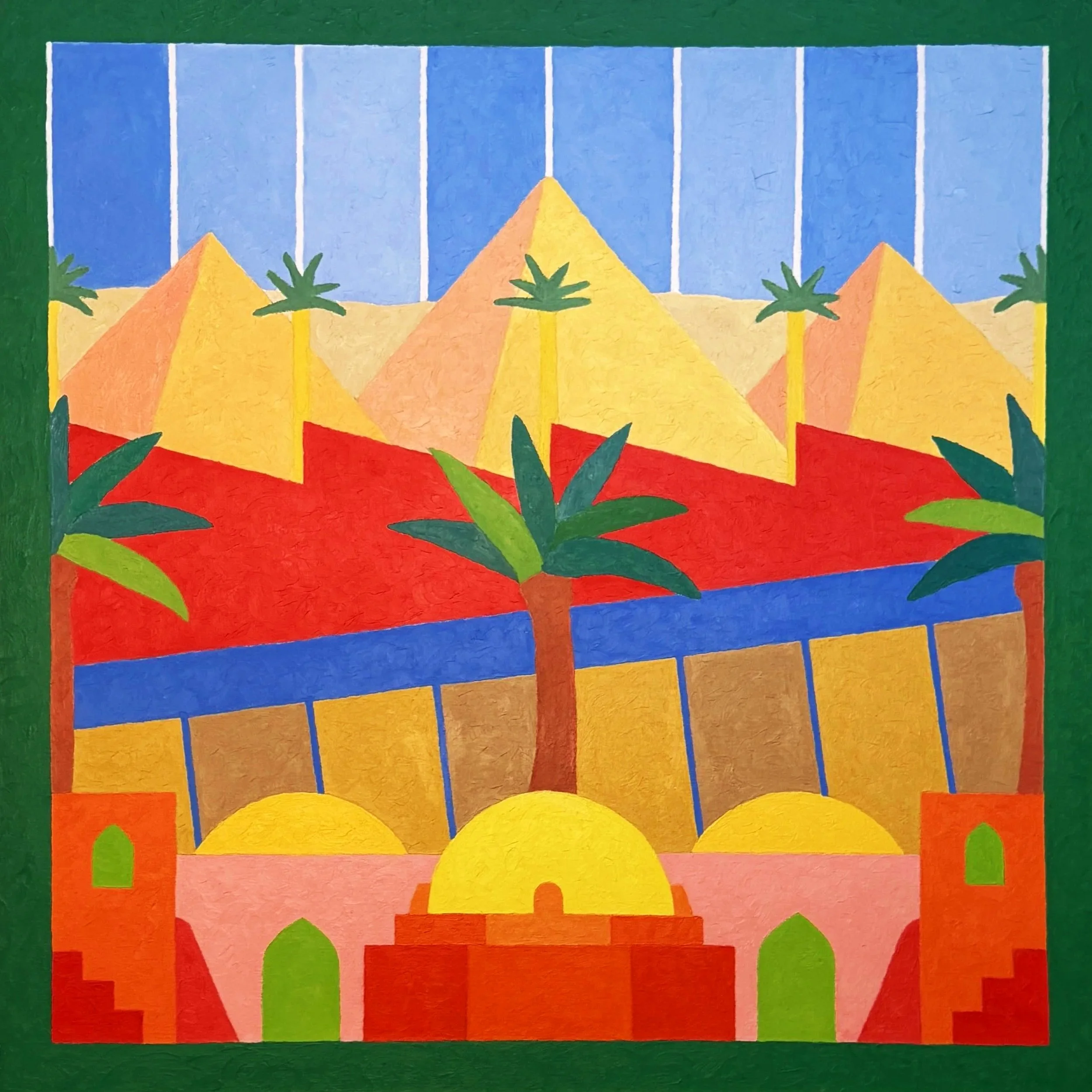
91.44 x 91.44 cm (36 x 36in) oil on canvas
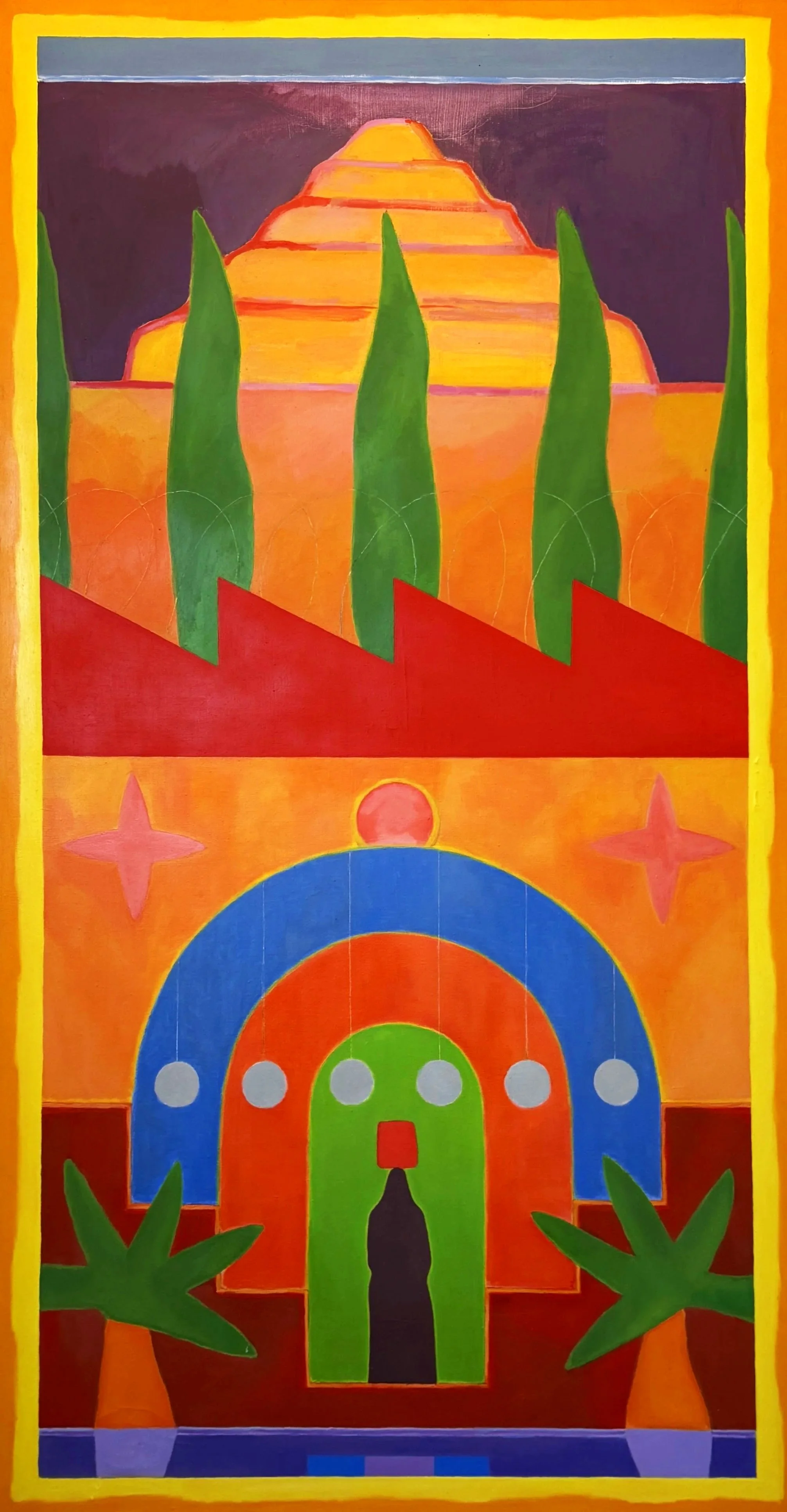
91.44 x 172.72 cm (36 x 68 in) oil on canvas
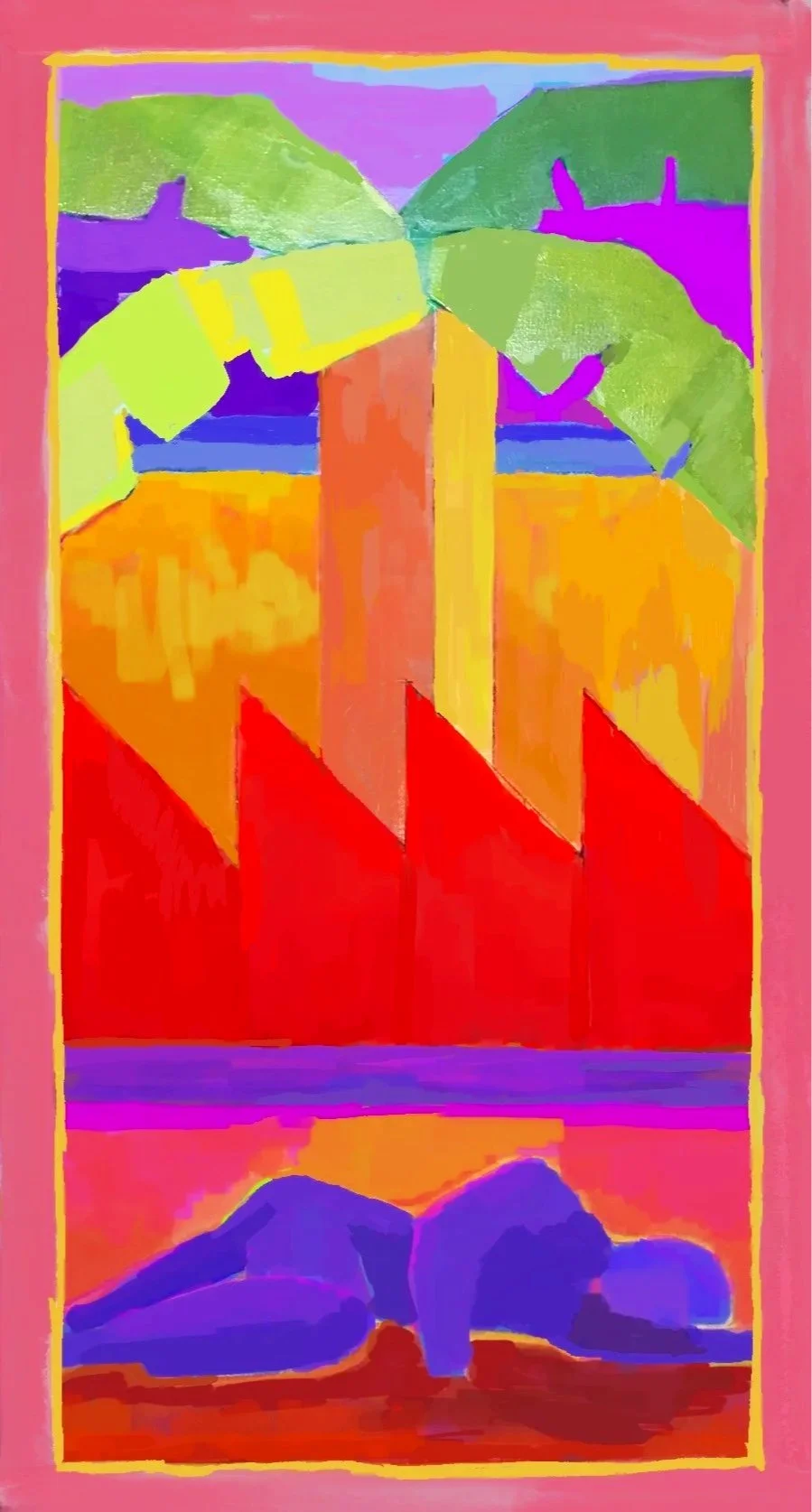
132.08 x 71.12 cm (52 × 28 in) oil on canvas
James Case, an architect, received a Bachelor of Architecture degree from Carnegie Mellon University in 1979. During his undergraduate years, he also studied art history at New York University under the renowned art historian Moshe Barasch.
In his early twenties, Case traveled extensively throughout Europe and the Middle East—his first time overseas—where he encountered firsthand the important historic architecture and art he had previously only studied in school. Moved by this experience, upon his return, seeking to explore expression through art, which he felt offered greater freedom than architecture (unconstrained by client programs, budgets or constructability), he enrolled at the Art Student’s League of New York (ASLNY). There, he studied painting under artists Bruce Dorfman and Edward Meneely, each of whom led studios intentionally open to a wide range of approaches, media and subject matter. During this period, Case’s work was accepted into several prestigious juried exhibitions.
After two years at the ASLNY, to replenish his financial resources, Case returned to architecture—designing commercial, residential and historic preservation projects in New York City. After a decade of this, he sought to find an architectural typology that was both more challenging and, arguably, more consequential in its societal impact.
At this time, in 1991, he met the renowned mid-century interior designer, Gerald Luss, who convinced Case to join him in exploring hospital design. In the final years of his storied career, Luss had joined forces with his friend, Jack Gallagher, CEO of North Shore University Hospital (NSUH), in a mission to modernize and transform healthcare delivery. Luss was at the forefront of a new movement that reimagined hospitals as not just purely utilitarian enterprises but as design-driven civic buildings of architectural ambition, and as environments integral to the healing process.
Earlier in his career, Luss had reimagined the workplace with his widely published 1959 interior design for the Time Life Building in Manhattan. It was a revolutionary modernization of the office environment and became the blueprint for all new corporate offices going forward, with its emphasis on function, flexibility, modularity, transparency, and light. The television series Mad Men famously modeled its sets on Luss’s ground-breaking Time Life interiors. Now Luss set out to apply that same rigor, logic, modularity and innovation to transform healthcare design.
Case signed on and spent eight years working with Luss and Gallagher as NSUH expanded from a single hospital into what became Northwell Health—the largest and most innovative multi-hospital healthcare system in New York State—providing unparalleled patient experiences, operational efficiency and care outcomes through design excellence.
After leaving Northwell Health in 1999, Case became a shareholder, Principal and healthcare design leader at several major, national award-winning architectural firms. Northwell Health became one of his many ongoing major healthcare system clients, which ultimately included every major hospital system in New York City.
Notwithstanding his rewarding architectural career, Case still had unfinished business as an artist. Throughout his career he continued to sketch and travel, keeping his easel—and even some unfinished canvases from his ASLNY days—with the intention of returning to painting. Finally, forty years after leaving the ASLNY, he reorganized his professional life to allow a renewed commitment to an art studio practice.
While the artistic vision formed during his early years remained intact, his approach had matured, allowing for greater flexibility of expression and more incisive editing—paring his highly organized compositions to their essential elements. His work is simultaneously figural and abstract, employing a disciplined colorist approach, and with each composition anchored by a singular, powerful point of view. Abstracted figural icons—the tree, the wall, the human, the horizon, etc.—are flattened into their elemental forms and articulated through bold, complementary blocks of color. Case strives to create paintings that are beautiful (color), strong (composition), logical, restrained, and evocative of what he sees as the unresolved human condition.