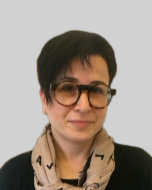

Alina Shapiro
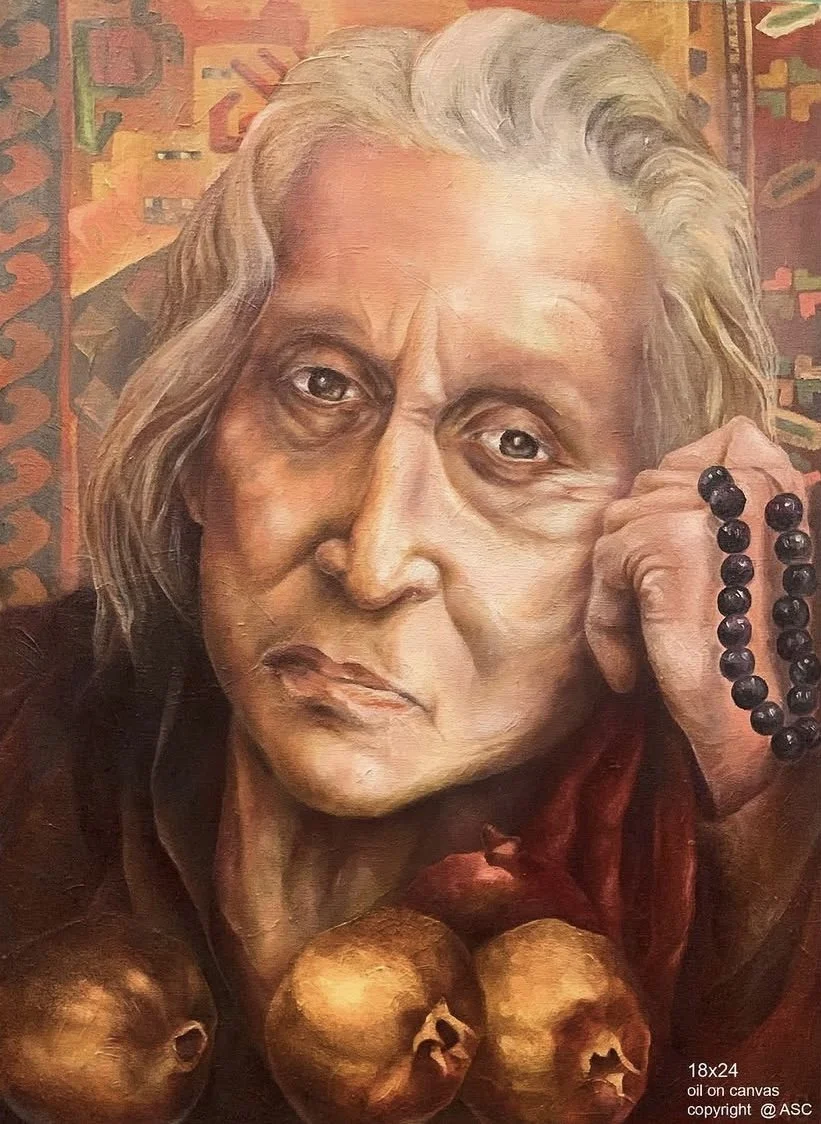
60.96 x 45.72 cm (24 × 18 in) oil on canvas
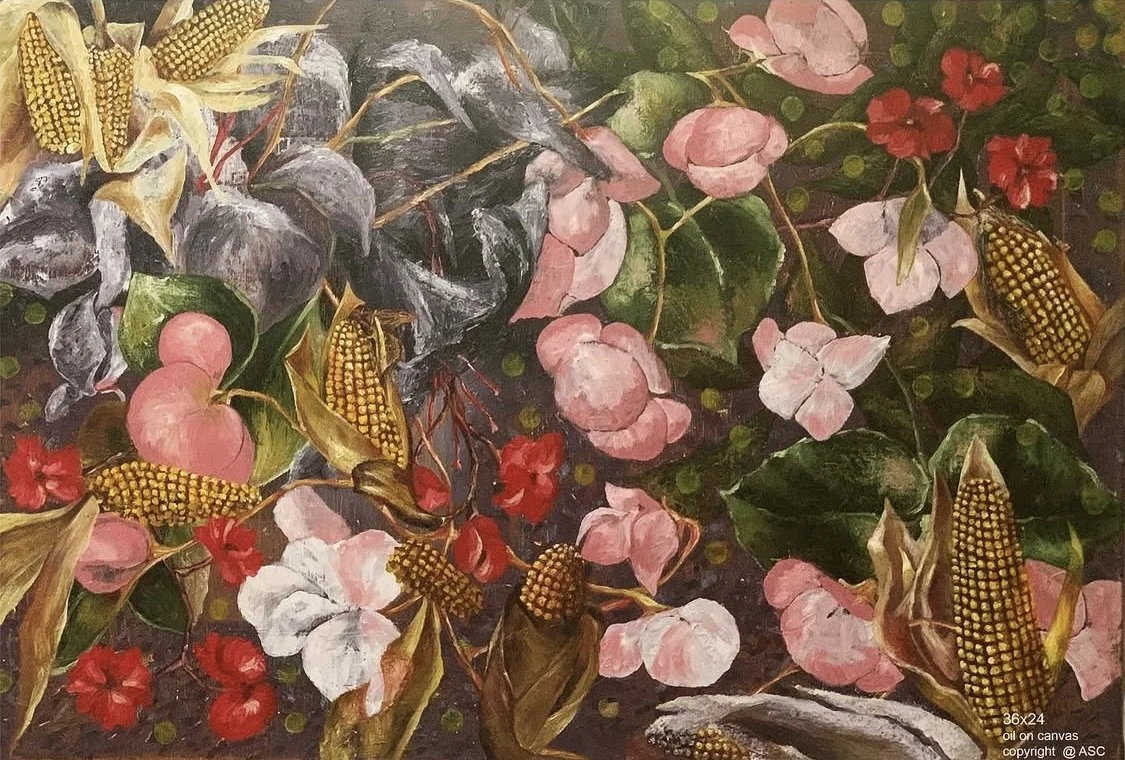
60.96 x 91.44 cm (24 × 36 in) oil on canvas
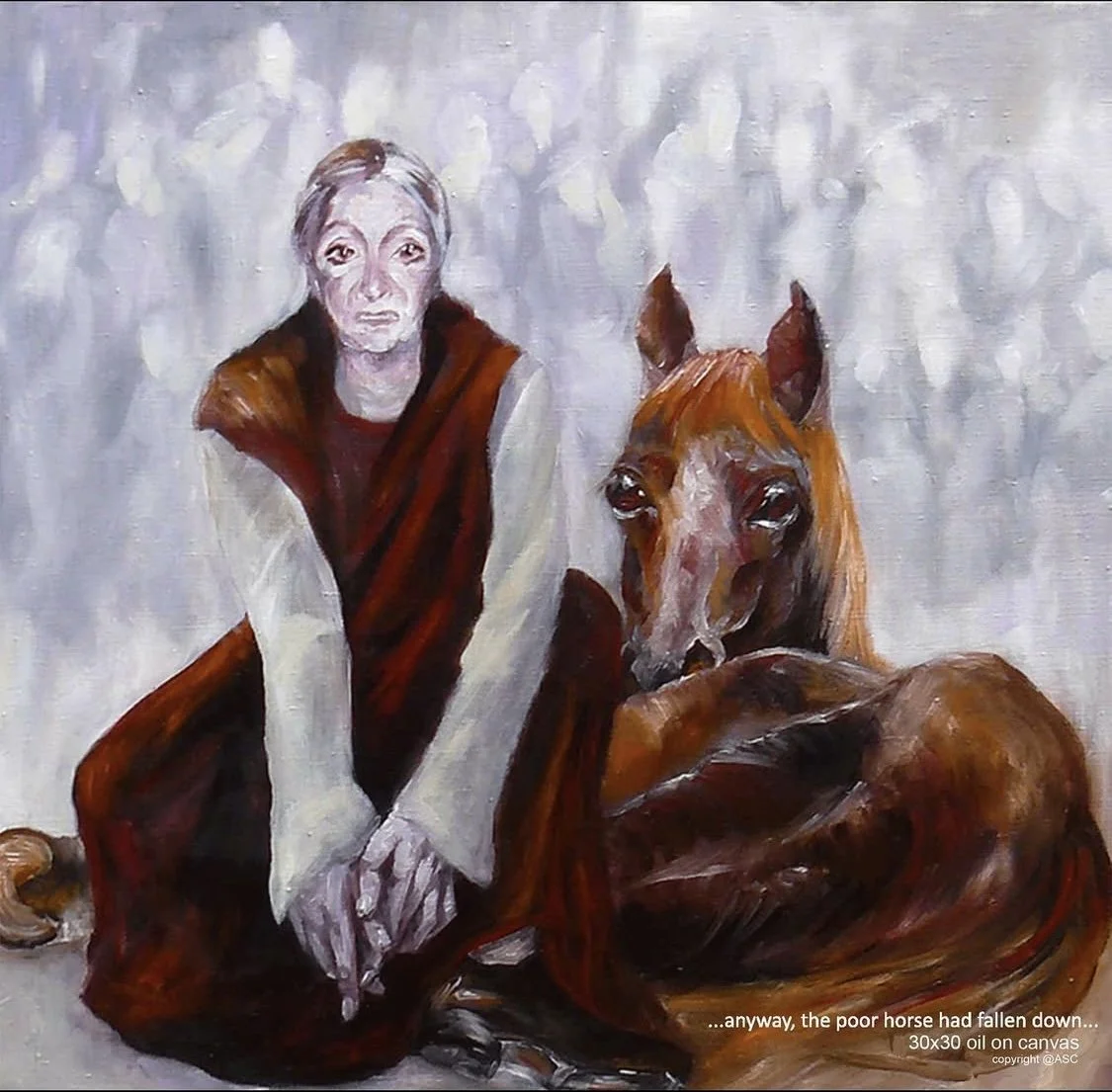
76.2 x 76.2 cm (30 x 30 in) oil on canvas
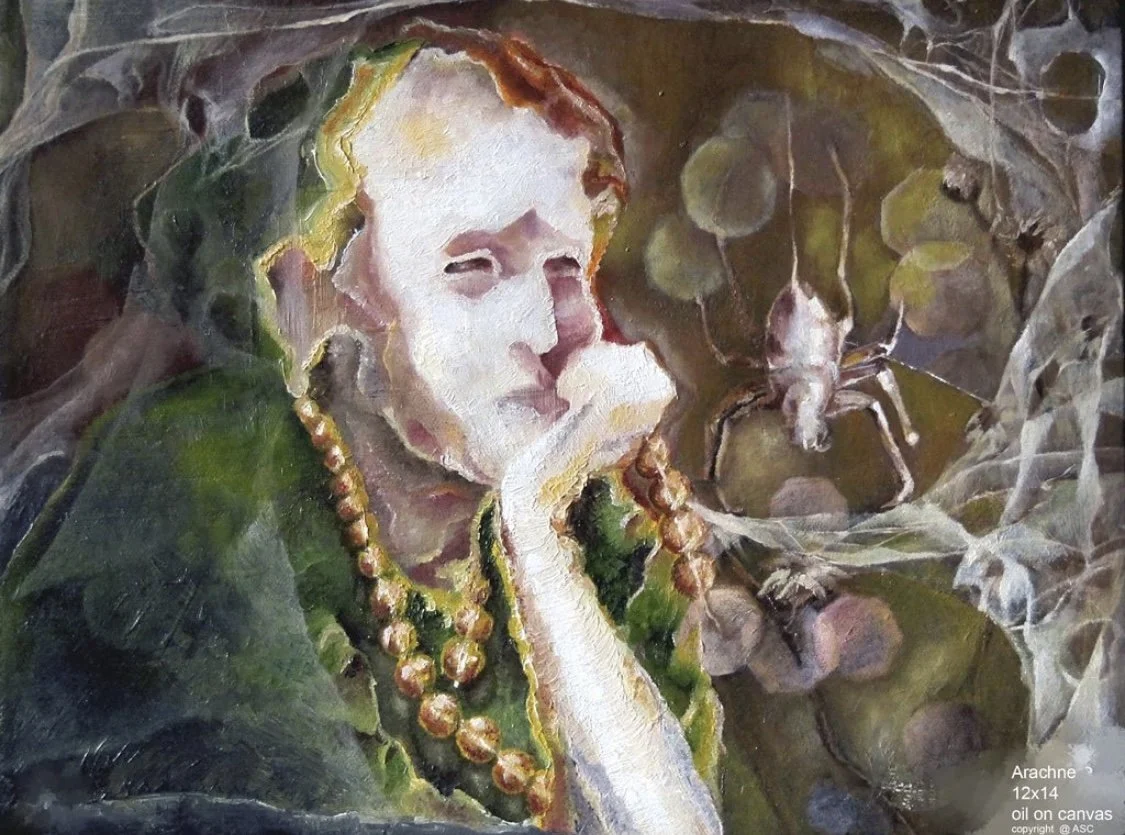
30.48 x 35.56 (12 × 14 in) oil on canvas
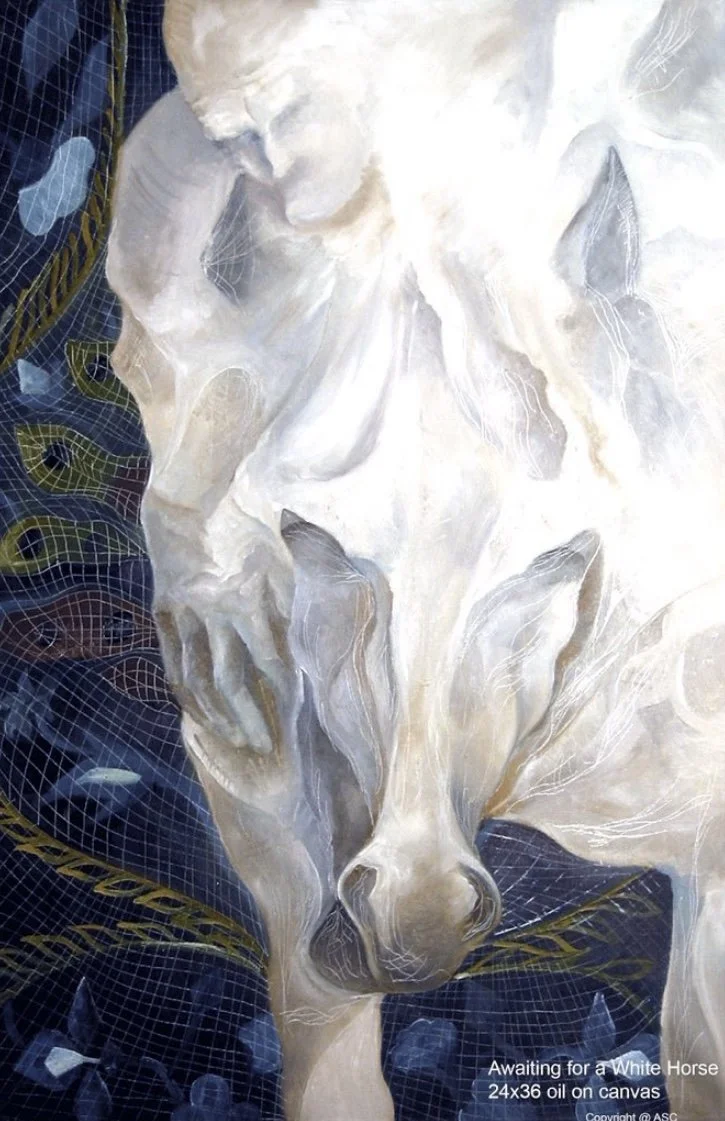
91.44 x 60.96 cm (36 × 24 in) oil on canvas
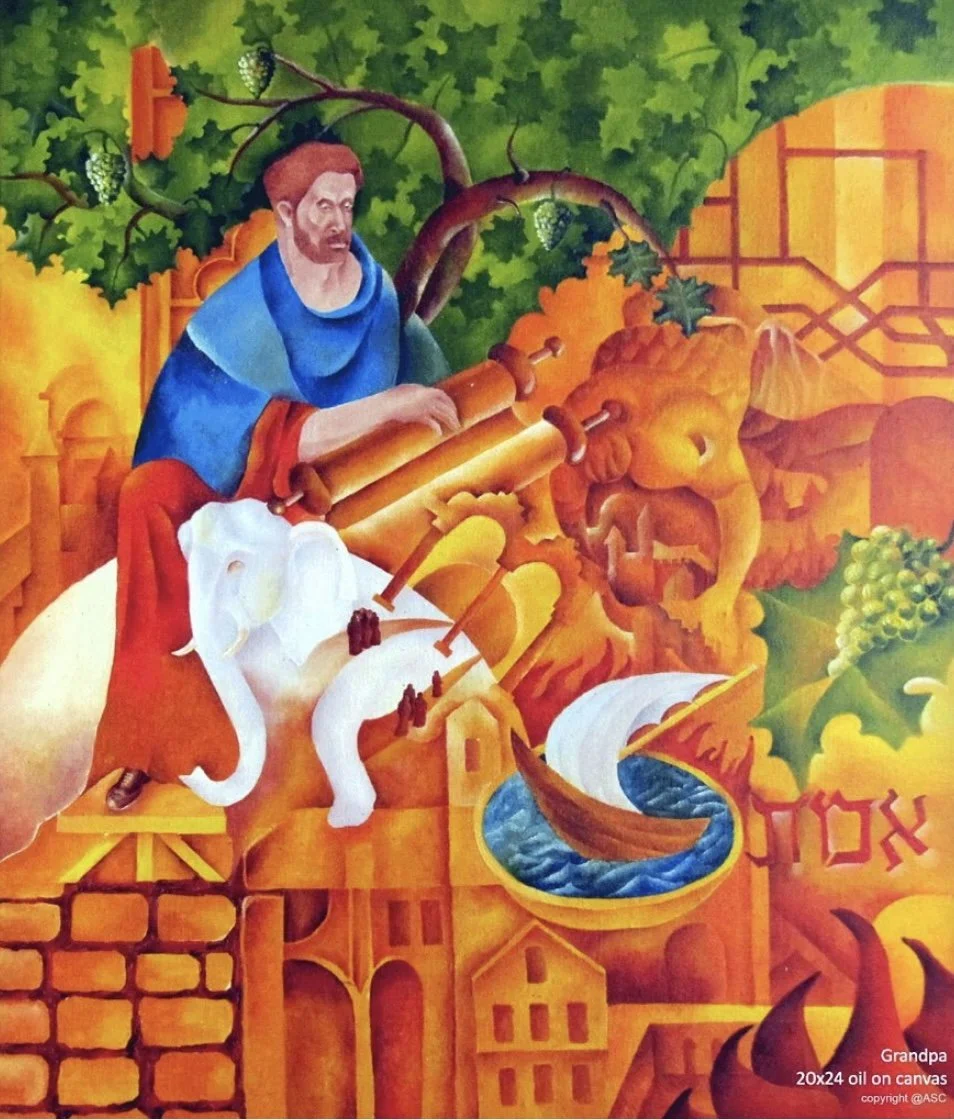
60.96 x 50.8 (24 × 20 in) oil on canvas
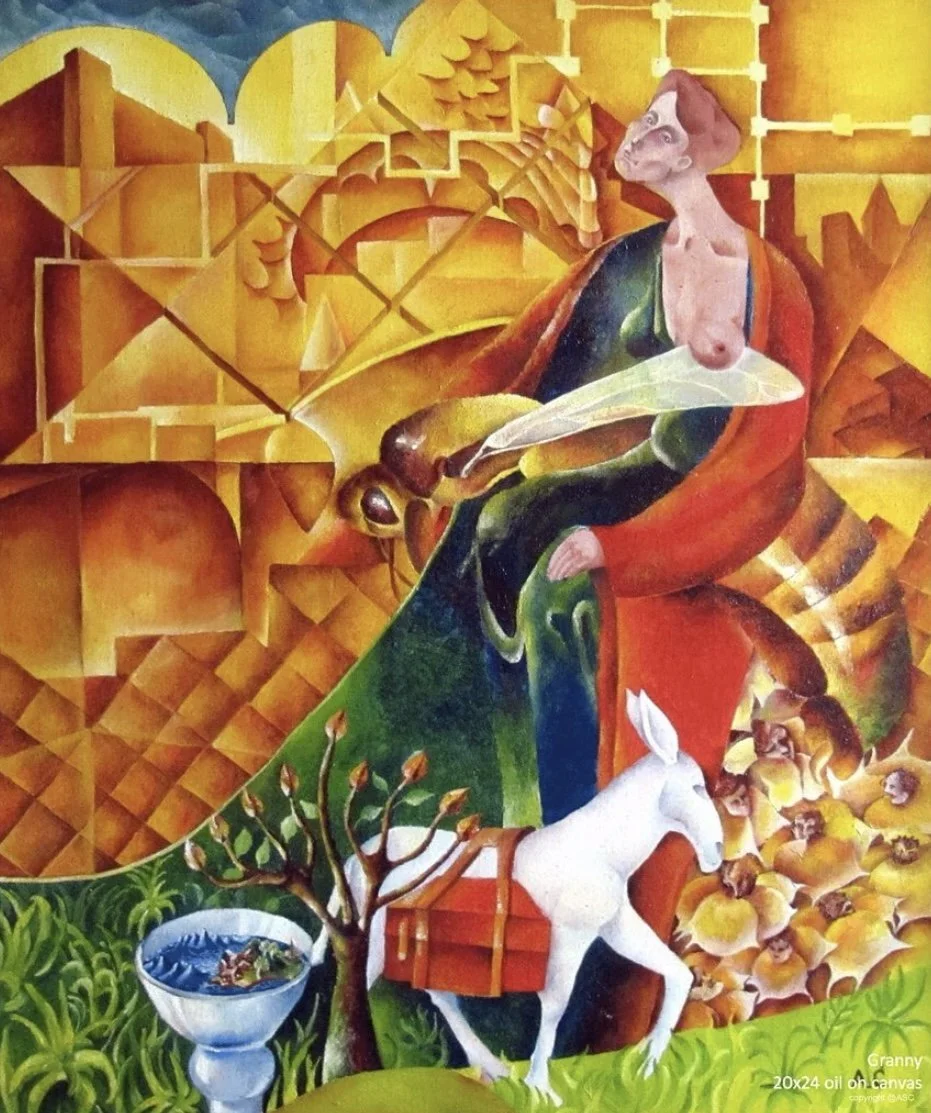
60.96 x 50.8 (24 × 20 in) oil on canvas
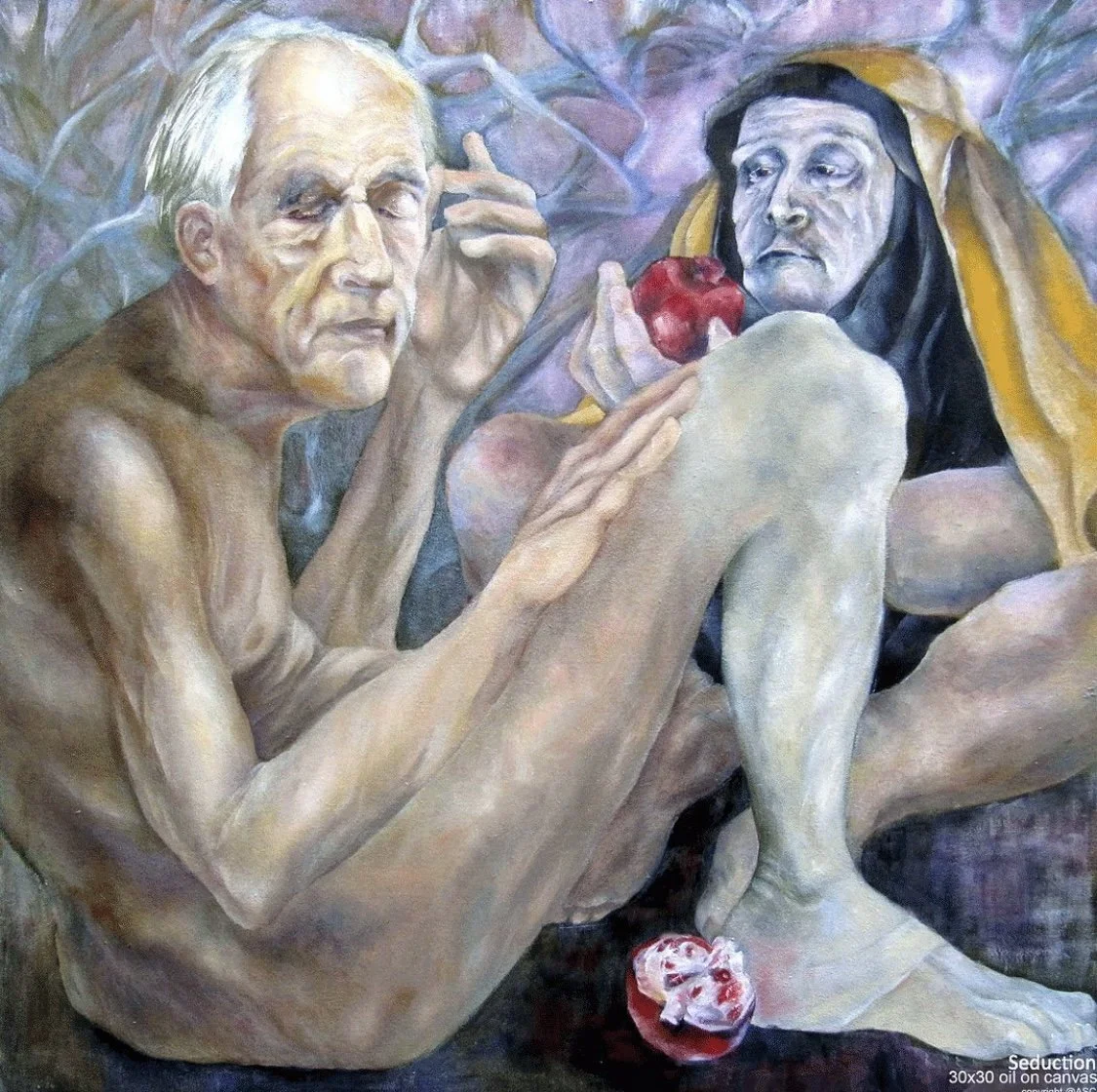
76.2 x 76.2 cm (30 x 30 in) oil on canvas
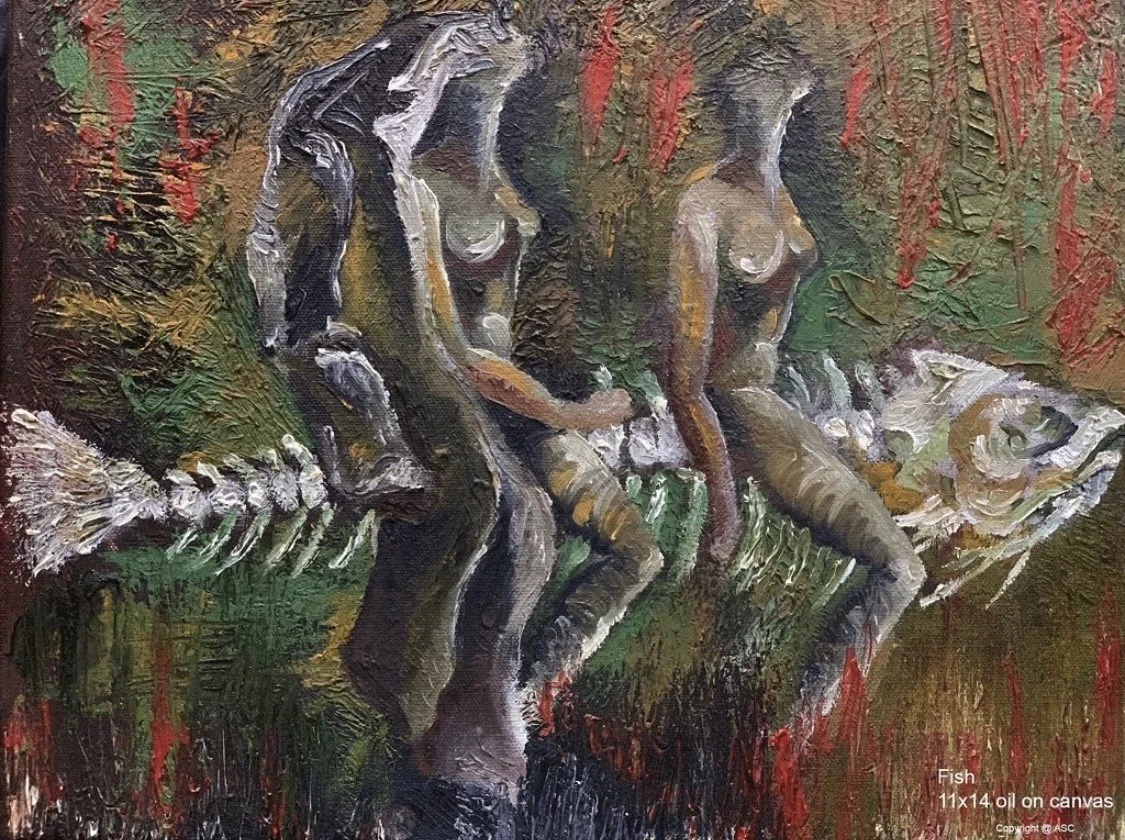
27.94 x 35.56 cm (11 x 14 in) oil on canvas
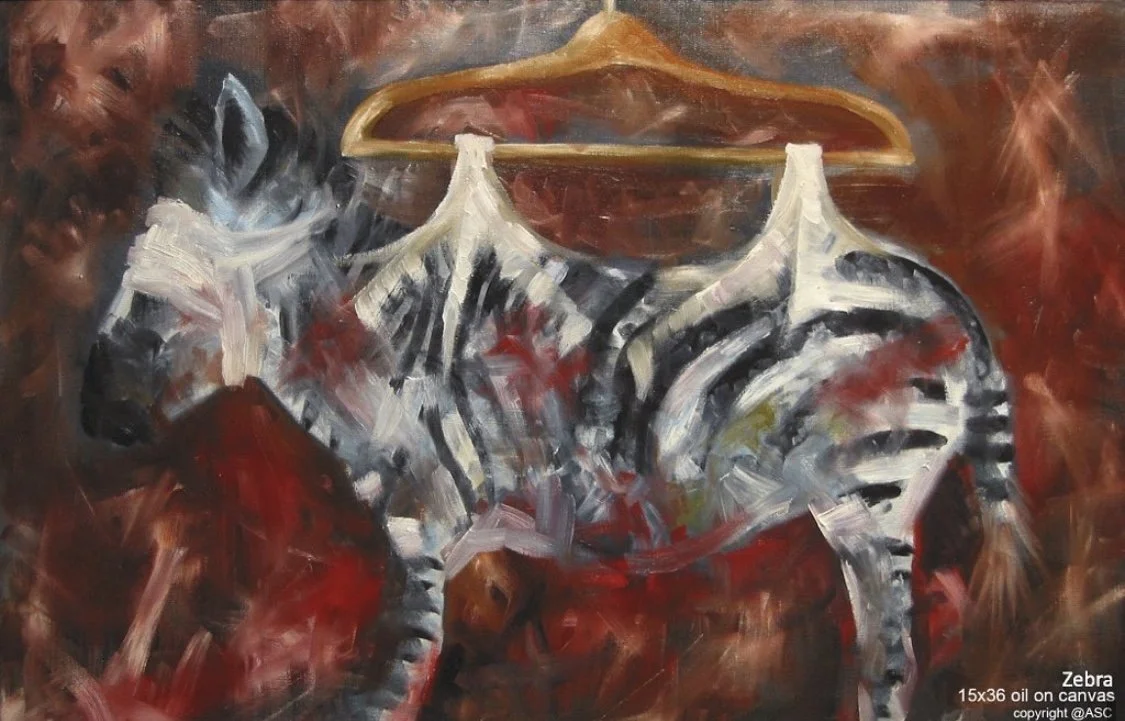
38.1 x 91.44 cm (15 x 36 in) oil on canvas
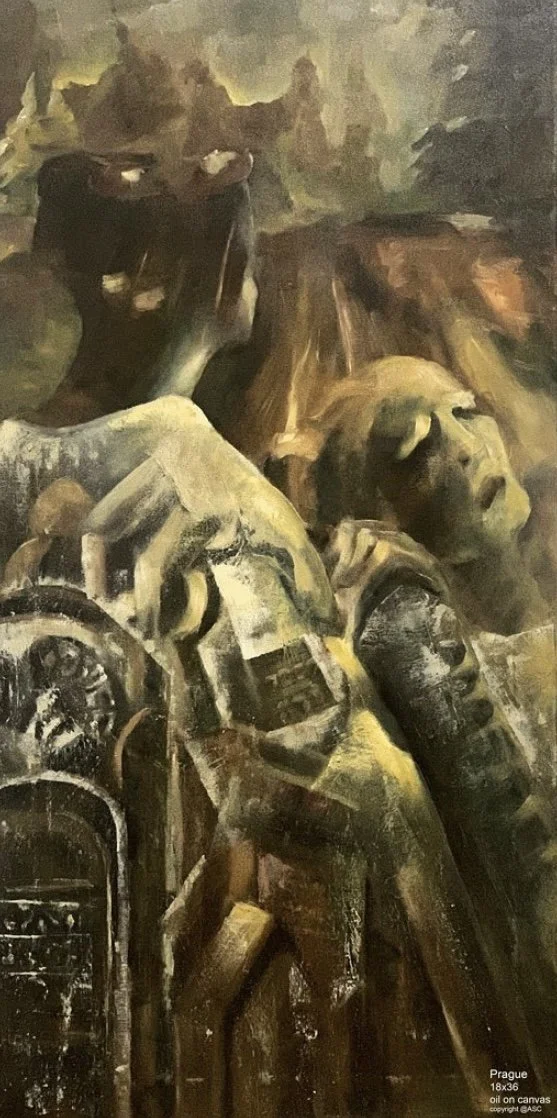
91.44 x 45.72 cm (36 × 18 in) oil on canvas
Alina Shapiro was born in Baku, Azerbaijan, then part of the former Soviet Union, and immigrated to New York City in 1990 with her parents. She holds a Bachelor of Architecture from Pratt Institute and is a Senior Principal at a leading national architectural firm, specializing in healthcare design, in Manhattan.
Although she has no formal training in the arts, Alina has been painting and drawing since childhood.
Her paintings have been included in group exhibitions in New York and Azerbaijan. She lives in Brooklyn, where she continues to explore the intersection of structure, gesture, and the quiet persistence of memory through her work.
“I work in the space where illustration meets dialogue, neither fully one nor the other. The images I pursue are vessels of recollection and existential drift, sometimes arising from conversations with imagined vis-à-vis—presences not of the present but enduring, whose voices have long since fallen silent.
When I paint, I do not aim to name a thing but to approach it. I seek for my paintings to hold residue rather than statement, allowing what is withheld to speak as clearly as what is revealed. They remain open, porous, unfinished in spirit. I am less concerned with conclusion than with the quiet persistence of memory—how it marks, erases, returns, and returns again, asking not to be solved but simply witnessed.
Most of my work is not created for decoration; it exists as conversation, inviting reflection, exchange, and engagement. Structure guides the composition—a trace of my architectural practice—yet spontaneity asserts itself in the immediacy of the hand. The tension between control and freedom is where the work resides: a space of suggestion, dialogue, and continual interpretation.”